
Polyurethane Foam Insulation: Benefits, Uses & Application Guide
Polyurethane foam insulation is a versatile insulation solution used to reduce heat transfer, improve energy efficiency and provide effective thermal protection. From industrial applications to commercial and building insulation, polyurethane foam offers excellent insulation performance with a lightweight, durable structure.
Polyurethane Foam Insulation at a Glance
- Excellent thermal insulation
- Lightweight and durable
- Helps reduce heat transfer
- Suitable for multiple industrial applications
- Available in solutions for different insulation requirements

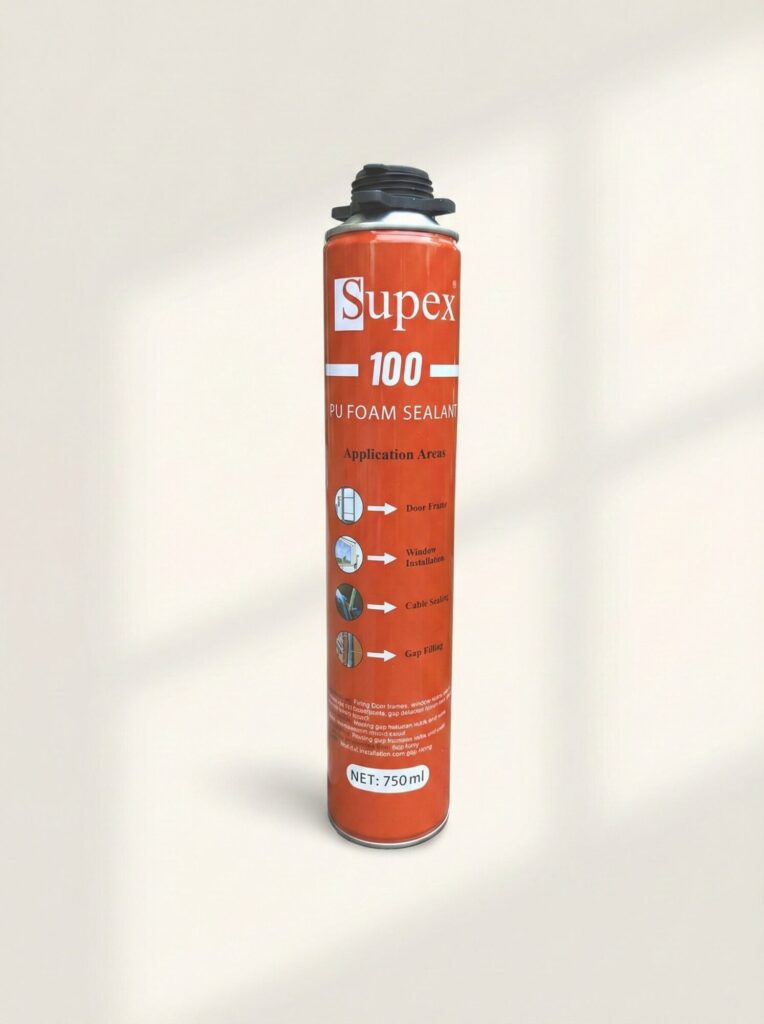
Key Benefits of PU Foam Insulation
Polyurethane (PU) foam insulation offers excellent sealing, insulation, and durability, making it a preferred solution for construction, industrial, and maintenance applications. Below are the major benefits of using PU foam insulation.
1️⃣ Excellent Thermal Insulation
PU foam provides superior thermal insulation by reducing heat transfer between indoor and outdoor environments. It helps maintain stable indoor temperatures and improves overall energy efficiency.
Benefits:
- Reduces heat loss and heat gain
- Improves indoor comfort
- Helps lower energy consumption
- Suitable for both hot and cold climates
2️⃣ Effective Gap Filling and Sealing
PU foam expands after application, allowing it to fill gaps, cracks, and voids efficiently. This creates airtight seals that prevent air leakage and drafts.
Benefits:
- Fills irregular gaps and cavities
- Prevents air leakage
- Reduces dust and insect entry
- Improves structural sealing
3️⃣ Moisture and Water Resistance
PU foam forms a protective barrier that helps reduce moisture penetration. This makes it suitable for areas exposed to humidity or occasional water contact.
Benefits:
- Minimizes water seepage
- Helps prevent mold growth
- Protects building materials
- Enhances durability of installations
4️⃣ Sound Insulation Properties
PU foam helps reduce noise transmission by sealing air gaps where sound typically travels.
Benefits:
- Reduces external noise
- Improves acoustic comfort
- Suitable for residential and commercial spaces
- Useful for machinery and industrial noise control
5️⃣ Fast and Easy Application
PU foam is easy to apply using spray cans or foam guns, making installation quick and efficient.
Benefits:
- Saves installation time
- Requires minimal tools
- Suitable for DIY and professional use
- Reduces labor costs
6️⃣ Strong Adhesion to Multiple Surfaces
PU foam adheres well to various construction materials, making it versatile for different applications.
Compatible surfaces include:
- Concrete
- Brick
- Metal
- Wood
- PVC
- Aluminum
7️⃣ Durable and Long-Lasting Performance
Once cured, PU foam becomes rigid and maintains its structure over time, ensuring reliable long-term performance.
Benefits:
- Resistant to shrinkage
- Maintains insulation properties
- Provides long-term sealing
- Suitable for permanent installations
8️⃣ Improves Energy Efficiency
By sealing air leaks and reducing heat transfer, PU foam insulation contributes to improved energy efficiency in buildings.
Benefits:
- Reduces energy wastage
- Supports sustainable construction
- Helps lower electricity usage
- Improves HVAC performance
9️⃣ Lightweight Yet Strong
PU foam adds minimal weight while providing strong sealing and insulation performance.
Benefits:
- Does not overload structures
- Suitable for lightweight installations
- Easy to handle and transport
Polyurethane foam insulation spray vs traditional methods
| Feature | PU Foam Insulation | Glass Wool Insulation | Rock Wool Insulation |
|---|---|---|---|
| Material Type | Polyurethane expanding foam | Fiberglass fibers | Mineral wool (stone-based) |
| Thermal Insulation | ⭐⭐⭐⭐⭐ Excellent | ⭐⭐⭐ Good | ⭐⭐⭐⭐ Very Good |
| Air Sealing | Excellent (airtight barrier) | Moderate | Moderate |
| Water Resistance | High | Low | Medium |
| Moisture Resistance | Excellent | Poor | Good |
| Installation | Spray / Expanding foam | Rolls or sheets | Boards or slabs |
| Gap Filling | Excellent | Limited | Limited |
| Durability | High | Medium | High |
| Sound Insulation | Good | Very Good | Excellent |
| Fire Resistance | Moderate | Good | Excellent |
| Energy Efficiency | Very High | Medium | High |
| Best Applications | Gap filling, walls, windows | Roof insulation | Industrial & fireproofing |
| Maintenance | Low | Medium | Low |
Upgrade Comfort & Efficiency with Polyurethane Foam , Supex 100
Applications of Polyurethane Foam insulation spray
Polyurethane (PU) foam insulation is widely used across residential, commercial, and industrial sectors due to its strong sealing, insulating, and gap-filling properties. Its expanding nature makes it suitable for filling irregular spaces and providing long-lasting insulation.
1️⃣ Door and Window Gap Filling
PU foam is commonly used to seal gaps around doors and windows to prevent air leakage and improve insulation performance.
Common Uses:
- Filling gaps between window frames and walls
- Sealing door frame edges
- Preventing dust, insects, and drafts
- Improving indoor temperature control.
2️⃣ Electrical and Plumbing sealing
PU foam is highly effective for sealing openings created during electrical and plumbing installations.
Common Uses:
- Filling gaps around electrical conduits
- Sealing plumbing pipe penetrations
- Insulating junction boxes
- Protecting wiring from moisture entry.
3️⃣ HVAC insulation
PU foam insulation helps improve HVAC efficiency by sealing air leaks and maintaining airflow efficiency.
Common Uses:
- Sealing duct gaps
- Insulating air conditioning units
- Filling voids around duct penetrations
- Preventing air leakage in HVAC systems.
4️⃣ Roof and Wall Insulation
PU foam is widely used in construction for thermal insulation in roofs and walls.
Common Uses:
- Roof cavity insulation
- Wall panel insulation
- Ceiling insulation
- Thermal insulation in building structures.
5️⃣ Construction and Building Projects
PU foam is an essential material in modern construction due to its versatility and strong adhesion properties.
Common Uses:
- Filling expansion joints
- Sealing construction gaps
- Fixing insulation panels
- Supporting structural sealing
6️⃣ Industrial Equipment Insulation
Polyurethane foam insulation spray is used in industrial environments where sealing and insulation are critical.
Common Uses:
- Machinery insulation
- Equipment gap filling
- Thermal insulation for industrial units
- Protection of mechanical installations
7️⃣ Cold Storage insulation
PU foam insulation is widely used in temperature-controlled environments.
Common Uses:
- Sealing cold storage gaps
- Insulating refrigeration panels
- Preventing cold air leakage
- Improving energy efficiency
8️⃣ Automotive and Transportation Applications
PU foam is also used in vehicle manufacturing and maintenance.
Common Uses:
- Sealing vehicle cavities
- Insulating vehicle panels
- Reducing vibration and noise
- Supporting lightweight insulation
9️⃣ Waterproofing and Moisture Protection
PU foam helps block moisture pathways when used in sealing applications.
Common Uses:
- Sealing wall cracks
- Filling gaps near plumbing areas
- Protecting basements
- Preventing water seepage
How to use Polyurethane foam insulation spray
Polyurethane foam insulation spray cans are handy and simple to use. When you follow the correct steps, you get clean, reliable results.
First, attach the nozzle tightly to the tip of the application gun for vertical surfaces. Check carefully for gaps. Even a small gap can cause foam leakage during application.
Next, shake the can of Supex 100 at least 20 times. This step ensures proper mixing. Then, open the upper lid of the cap and wind it up to secure the can onto the gun. After that, loosen the screw at the back of the gun. This screw controls the foam flow. In normal conditions, tighten the screw fully to achieve steady pressure.
Now, begin spraying the polyurethane foam. Keep the gun about 40–45 cm away from the surface. This distance is critical. If you spray too close, the foam becomes too thick. The ideal layer thickness is a maximum of 1.5 cm. Thicker layers reduce heat and sound insulation efficiency.
For best performance, apply the foam in three overlapping layers. Each layer should remain within the 1.5 cm limit. This method delivers optimal thermal and acoustic insulation. However, spraying from more than 45 cm away reduces thickness and increases material use.
For ceiling work, hold the can and gun vertically, similar to wall applications. Reduce the distance to 15–20 cm. This improves adhesion and ensures even coverage.
By following these steps, you achieve efficient insulation, controlled usage, and consistent results.
FAQs About PU Foam Insulation
1️⃣ What is PU foam used for?
Polyurethane foam insulation spray is used for gap filling, sealing joints, thermal insulation, and sound insulation in construction and maintenance work. It is commonly applied around doors, windows, electrical conduits, and plumbing installations to prevent air and moisture leakage.
2️⃣ How does Polyurethane foam insulation work?
PU foam expands after application and fills gaps, cracks, and cavities. Once cured, it forms an airtight seal that helps reduce heat transfer, air leakage, and moisture entry, improving overall insulation performance.
3️⃣ Is PU foam waterproof?
Polyurethane foam insulation spray is water-resistant and helps prevent moisture penetration when properly applied. While it blocks water seepage and air leakage, it is not designed for continuous water immersion unless protected with additional waterproof coatings.
4️⃣ How long does PU foam take to cure?
PU foam typically forms a skin within 5 to 10 minutes after application. Full curing usually takes 12 to 24 hours, depending on temperature, humidity, and foam thickness.
5️⃣ Can PU foam be used outdoors?
Yes, PU foam can be used outdoors, but it should be protected from direct sunlight (UV exposure) with paint, sealant, or plaster to maintain long-term durability.
6️⃣ Does Polyurethane foam insulation provide thermal insulation?
Yes, PU foam offers excellent thermal insulation by reducing heat transfer. It helps maintain indoor temperature and improves energy efficiency in buildings.
7️⃣ Is PU foam safe to use?
PU foam is safe when used according to manufacturer instructions. It is recommended to wear gloves and safety glasses during application and ensure proper ventilation.
8️⃣ Can PU foam fill large gaps?
Yes, expanding PU foam is designed to fill large and irregular gaps. It expands to fill cavities effectively, making it ideal for construction and installation work.
9️⃣ Can PU foam be cut or trimmed after curing?
Yes, once fully cured, PU foam can be easily cut, trimmed, sanded, or painted to achieve the desired finish.
🔟 How long does PU foam last?
Properly applied PU foam can last for many years without shrinking or losing its insulating properties, especially when protected from sunlight and moisture exposure.
1️⃣1️⃣ Does PU foam stop air leakage?
Yes, PU foam creates an airtight seal that prevents drafts, dust, and insects from entering through gaps and cracks. Check this for improving energy efficiency.
1️⃣2️⃣ Can PU foam be painted?
Yes, cured PU foam can be painted or coated with plaster or sealant to protect it from UV rays and improve appearance.