
Choosing the right construction adhesive is not simply about finding the strongest product. The right choice depends on the materials being bonded, required strength, joint movement, moisture, temperature and installation conditions.
For contractors, builders, interior professionals and fabricators, the wrong adhesive can lead to poor bonding, rework, leakage and installation delays. The right adhesive can make installation cleaner, faster and more reliable.
This guide explains the main types of construction adhesives in India, their common applications and the key factors to consider before selecting one.
Which Construction Adhesive Should You Use?
Start with the application, not the product name.
| Application | Adhesive type to consider | Key requirement |
|---|---|---|
| Wall and decorative panels | MS Polymer / high-tack adhesive | Strong, flexible bonding |
| Wood and mixed materials | PU / MS Polymer | Adhesion and durability |
| Metal bonding | MS Polymer / PU / epoxy | Strength and compatibility |
| Wet areas | Silicone / suitable MS Polymer | Moisture resistance |
| Heavy-duty bonding | PU / epoxy | High bond strength |
| Skirting and mouldings | High-tack adhesive | Clean installation |
| Glass and sealing | Silicone | Flexibility and weather resistance |
There is no single adhesive that works best for every application. Always check the product’s technical data sheet for substrate compatibility, application limits and curing requirements.
What Is Construction Adhesive?
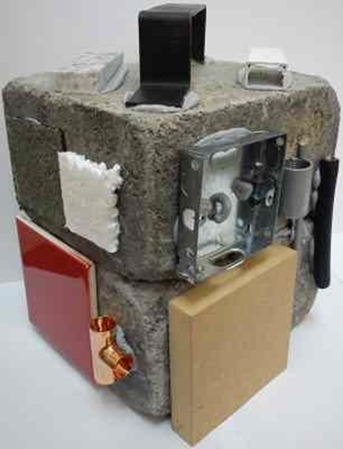
Construction adhesive is a high-performance bonding material used to join building and interior materials such as wood, concrete, metal, stone, glass, PVC, panels and composites.
Adhesive bonding can reduce the need for visible screws, nails and drilling in suitable applications. It can also provide a cleaner finish and distribute stress across a wider bonding area.
However, adhesive performance depends on more than the adhesive itself. Surface preparation, substrate compatibility, joint design and environmental conditions all affect the final bond.

Types of Construction Adhesives
1. PU Construction Adhesives
Polyurethane, or PU, adhesives are used where strong and durable bonding is required. Depending on the formulation, PU adhesives can bond materials such as wood, concrete, stone, metal and certain plastics.
They are commonly selected for applications where a combination of bond strength, durability and flexibility is required.
PU adhesives can be useful for:
- Wood and plywood
- Flooring applications
- Panels and insulation
- Construction assembly
- Industrial and commercial bonding
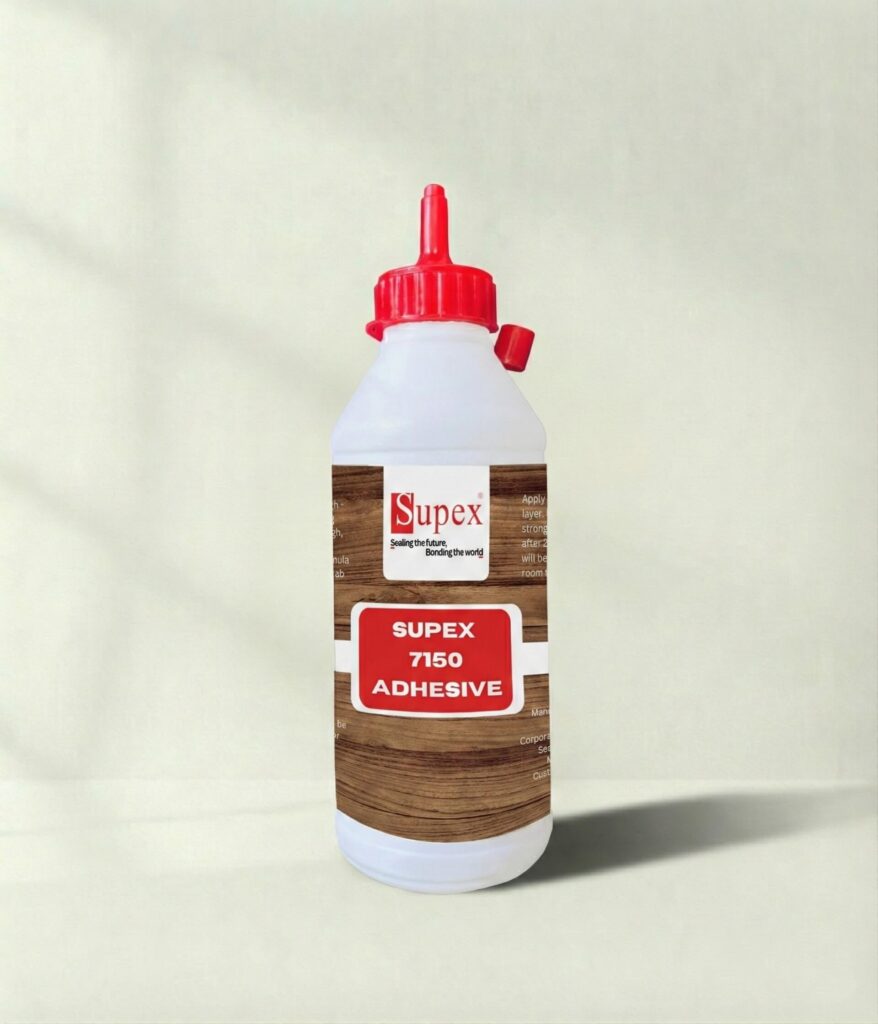
Supex offers PU solutions such as Supex 7150 PUR Adhesive for applications including wood, insulation and other compatible substrates.
For demanding applications, always confirm the product’s recommended substrates and curing conditions before use.
2. MS Polymer Adhesives
MS Polymer adhesives combine strong adhesion with flexibility. This makes them useful for applications where the bonded materials may experience minor movement due to temperature changes, vibration or expansion.
They are commonly used for interior and construction applications because many formulations offer good weather resistance, low odour and paintability.
MS Polymer adhesives can be suitable for:
- Wall panels
- Skirting and mouldings
- Aluminium and PVC
- Decorative elements
- Interior installations
- Mixed-material bonding
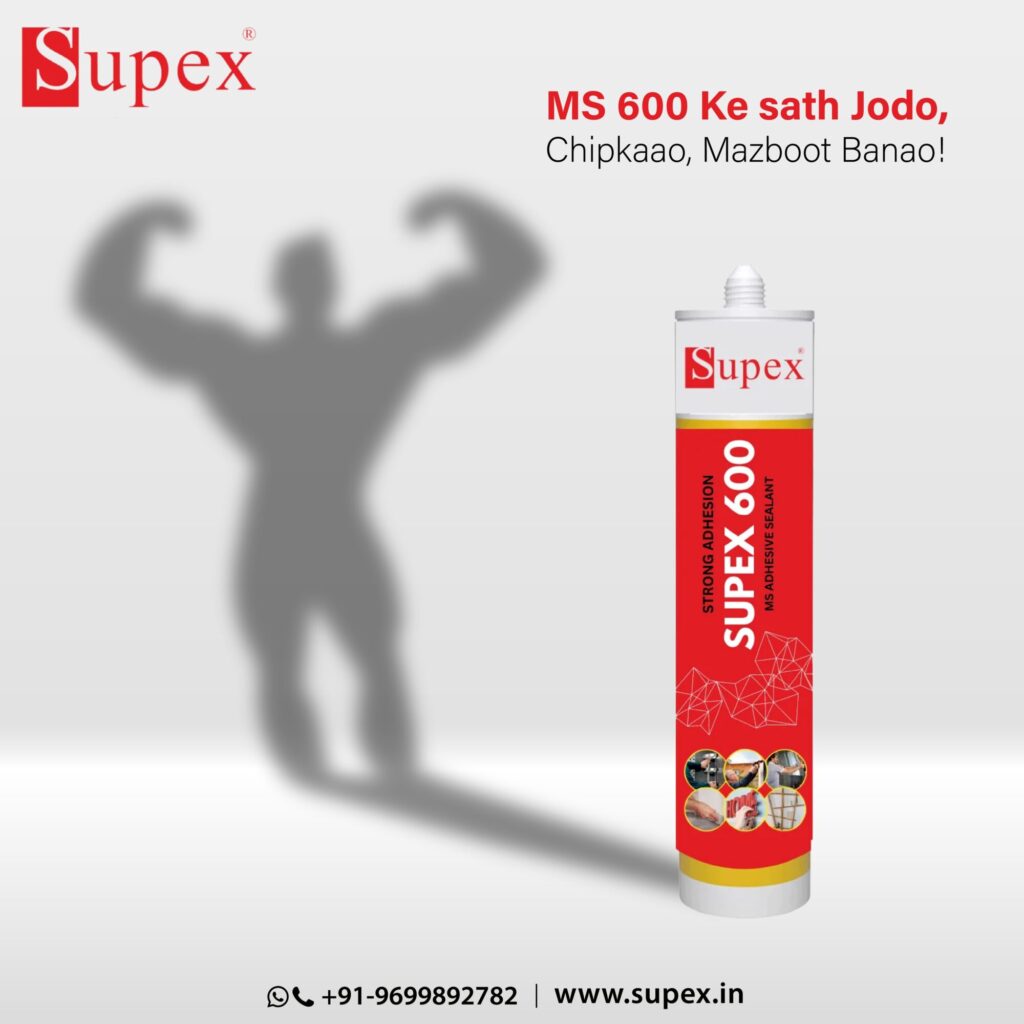
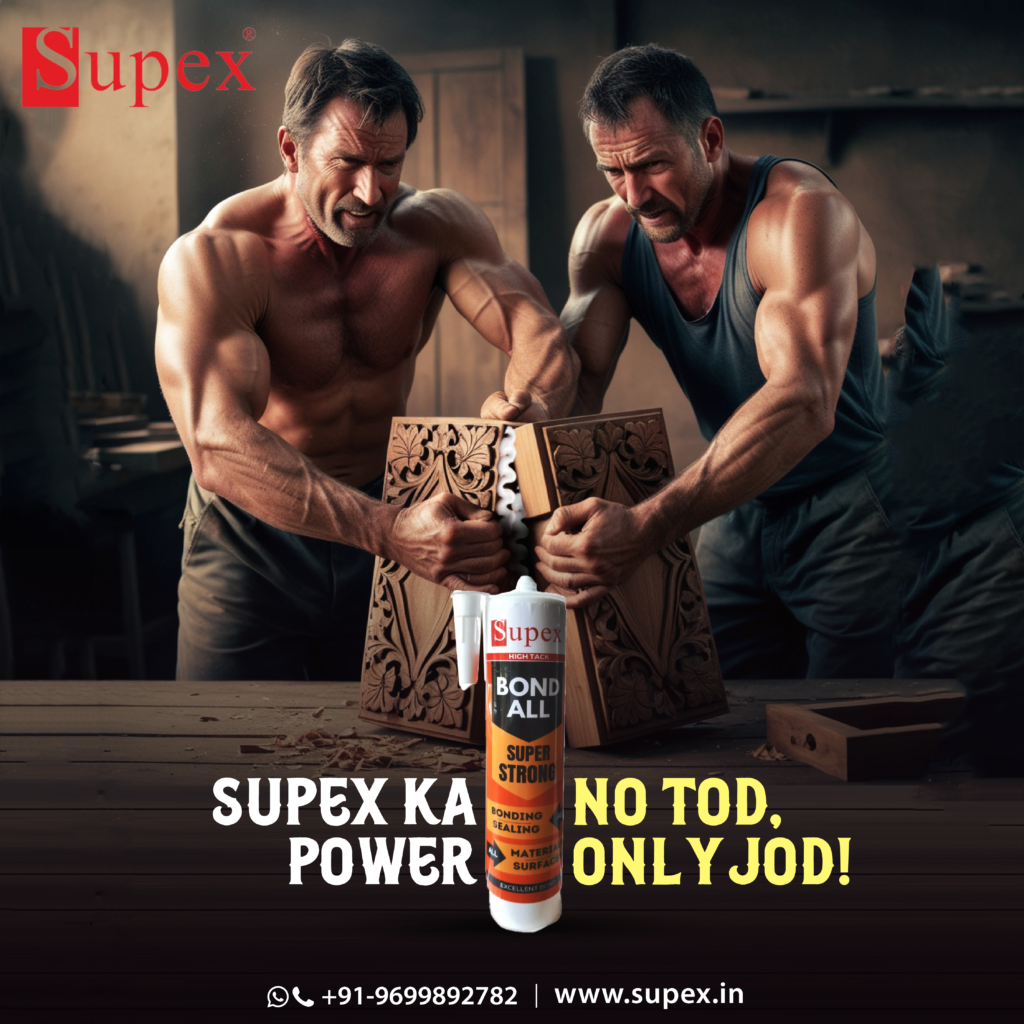
Supex offers products such as Supex 600 MS Polymer Adhesive and Bond All High Tack for different construction and interior bonding requirements.
3. Silicone Adhesives and Sealants
Silicone is widely used when flexibility, weather resistance and moisture protection are important.
It is commonly used around glass, windows, kitchens, bathrooms and other areas where a flexible seal is required.
Typical applications include:
- Glass and aluminium
- Windows and glazing
- Bathrooms
- Kitchens
- Expansion and movement joints
- General sealing applications
Supex Neutral Plus Silicone Sealant is designed for construction and sealing applications where flexibility and resistance to environmental exposure are required.
Silicone should not automatically be treated as a replacement for a high-strength structural adhesive. The application determines the appropriate product.
4. Epoxy Adhesives
Epoxy adhesives are known for high strength and resistance to demanding environments. They are commonly used for metal, concrete, stone, composites and industrial repair applications.
Epoxy is generally suited to applications where a strong, rigid bond is required.
Common applications include:
- Metal bonding
- Industrial repairs
- Concrete-related applications
- Composite bonding
- High-strength bonding applications
However, higher strength does not always mean better performance. If a joint needs to accommodate movement, a flexible adhesive system may be more appropriate.
PU vs MS Polymer vs Silicone vs Epoxy
The right chemistry depends on the job.
| Property | PU | MS Polymer | Silicone | Epoxy |
|---|---|---|---|---|
| Bond strength | High | High | Medium | Very high |
| Flexibility | Medium–High | High | Very high | Low–Medium |
| Movement accommodation | Medium | High | Very high | Low |
| Typical use | Wood, panels, flooring | Panels, interiors, mixed materials | Sealing, glass, wet areas | Rigid, high-strength bonding |
These are general characteristics. Actual performance varies by product formulation and application.
Common Construction Adhesive Applications
Wall and Decorative Panels
Adhesives can be used for decorative panels, PVC panels, composite panels and other interior elements. High-tack products can help create a clean installation while reducing visible mechanical fixings.
Wood and Interior Work
Construction adhesives are useful for skirting, trims, mouldings and other interior installations. When selecting a product, consider initial grab, cure time, flexibility, paintability and compatibility with the substrate.
Metal and Mixed-Material Bonding
Metal may need to be bonded to aluminium, glass, wood, concrete, plastics or composites. These applications require careful attention to surface preparation and adhesive compatibility.
Flooring
PU adhesives are commonly used for flooring applications where durable bonding is required. The adhesive should be selected according to the flooring material, substrate and expected movement.
Wet Areas
Bathrooms, kitchens and other wet areas require products designed for moisture exposure. Silicone or suitable hybrid polymer products may be appropriate depending on whether the requirement is sealing, bonding or both.
How to Choose the Right Construction Adhesive
Before selecting an adhesive, consider these five factors.
1. What materials are you bonding?
A wood-to-wood application is different from concrete-to-metal or glass-to-aluminium. Confirm that the adhesive is compatible with both substrates.
2. How much load will the joint carry?
A decorative trim does not have the same requirements as a heavy panel. For demanding applications, use the manufacturer’s technical specifications rather than relying only on general terms such as “heavy duty”.
3. Will the joint move?
Temperature changes, vibration and material expansion can create movement. Flexible adhesive systems may be better suited to joints where movement is expected.
4. Will the adhesive face moisture, heat or sunlight?
Outdoor and wet-area applications require suitable resistance to environmental conditions. Select a product designed for the exposure it will experience.
5. How quickly does it need to cure?
Initial grab and full cure are different. Do not apply significant load simply because the adhesive feels set on the surface. Follow the recommended curing time and conditions.
Conventional Wash Basin installation
 Wash basin installation onto the granite top is a cumbersome process without the right knowledge of adequate glue or sealant to be applied. In addition to knowing which sealant to use, it is also essential to know the right method of installation.
Contractors generally use white cement/ putty to seal the edges between basin and granite due to insufficient knowledge of sealants . The ‘putty’ cracks with time and unbinds the basin. As a result, leakage from the edges.
Surface Preparation Matters
Even a high-performance construction adhesive can fail when the surface is poorly prepared.
Before applying adhesive:
- Remove dust, dirt and loose particles.
- Remove oil, grease and other contaminants.
- Check that both substrates are compatible with the product.
- Follow primer or surface-treatment instructions where required.
- Apply the adhesive using the recommended method.
- Support the bonded material during curing when necessary.
- Allow the adhesive to fully cure before applying the intended load.
Good surface preparation is often just as important as choosing the right adhesive.
Common Causes of Adhesive Failure
Bonding problems are not always caused by the adhesive. Common causes include:
- Selecting the wrong adhesive chemistry
- Poor surface preparation
- Bonding incompatible materials
- Incorrect adhesive application
- Insufficient curing time
- Excessive joint movement
- Exposure to conditions outside the product specification
For critical or structural applications, always follow the product technical data sheet and project specifications.
Why Choose Supex Construction Adhesives?
Supex offers a range of construction adhesives and sealants for different bonding, sealing and installation requirements.
The construction range includes PU adhesives, MS Polymer adhesives, silicone sealants, PU sealants, foam sealants and high-tack bonding solutions.
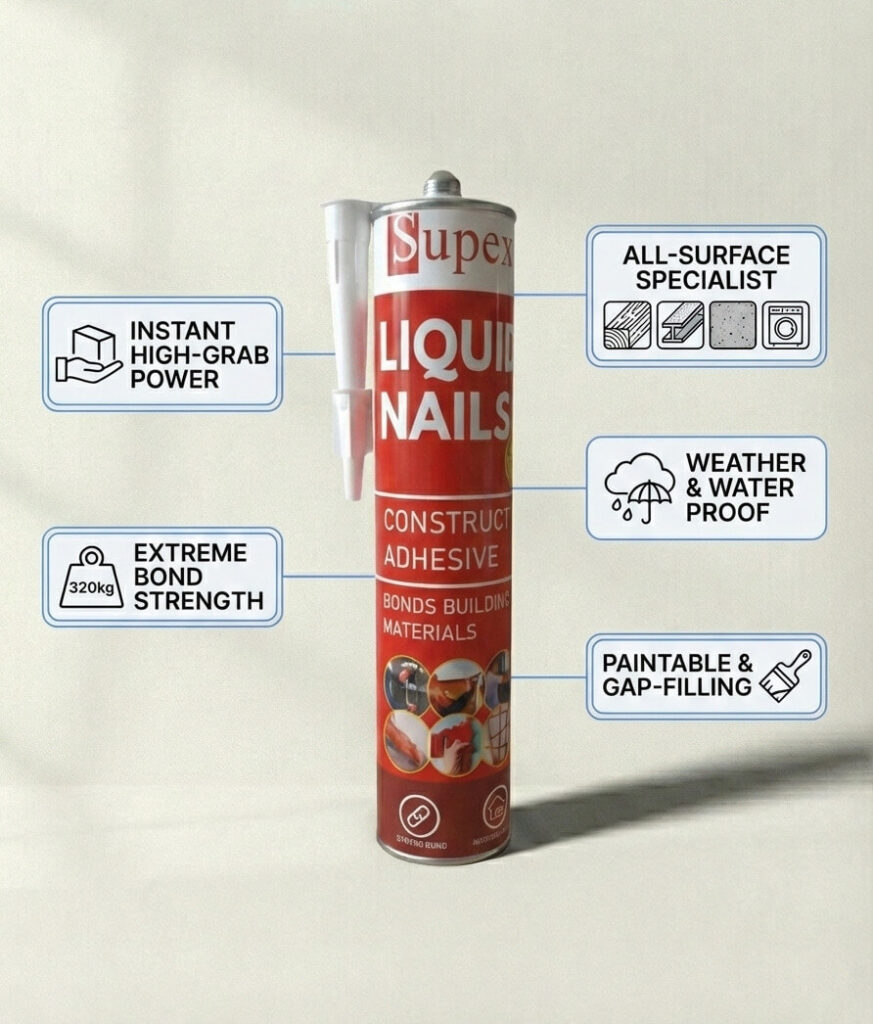
Products such as Supex 600 MS Polymer Adhesive, Supex 7150 PUR Adhesive, Bond All High Tack and Neutral Plus Silicone Sealant address different application needs.
The key is not simply choosing the strongest adhesive. It is choosing a product that matches the substrate, load, movement and environment of the application.
Frequently Asked Questions
Which construction adhesive is best?
There is no single best construction adhesive. The right product depends on the materials, required strength, flexibility, moisture exposure, temperature and installation conditions.
Which adhesive is best for concrete?
PU, epoxy and suitable hybrid polymer adhesives can be used for different concrete bonding applications. The correct choice depends on the substrate, load and specific application.
Is MS Polymer better than silicone?
Neither is universally better. MS Polymer is often selected for strong, flexible bonding, while silicone is widely used for flexible sealing and weather-resistant applications.
Can construction adhesive replace screws and nails?
In suitable applications, adhesive bonding can reduce or eliminate visible mechanical fasteners. However, it should not automatically replace mechanical fixing in load-bearing or safety-critical applications.
How long does construction adhesive take to cure?
Cure time varies with adhesive chemistry, product formulation, temperature, humidity, substrate and joint design. Always follow the manufacturer’s technical data sheet.
Need Help Choosing the Right Construction Adhesive?
The right adhesive can save installation time, reduce rework and improve the final finish—but only when it matches the application.
Tell Supex what materials you need to bond, where the adhesive will be used, the expected conditions and your approximate requirement. The Supex team can help you identify a suitable adhesive or sealant for your application.
Talk to the Supex team for an application-specific adhesive recommendation.