
Gaps, cavities and hard-to-reach openings are common in construction, renovation and maintenance work. Leaving them unsealed can allow air, moisture, dust, insects and sound to pass through and can reduce the effectiveness of insulation.
Gap filler foam, also known as expanding PU foam or polyurethane foam sealant, is a practical solution for filling and sealing many of these spaces. When dispensed, the foam expands to occupy the cavity and then cures into a lightweight, durable material.
Supex offers a range of PU foam sealants for gap filling, sealing and insulation, including straw-type, gun-grade and fire-retardant options. Explore Supex PU Foam Sealants
What Is Gap Filler Foam?
Gap filler foam is an expanding polyurethane foam designed to fill cavities, gaps and openings in a wide range of construction and maintenance applications.
The foam is supplied in an aerosol can. When released, the liquid polyurethane formulation expands on exposure to atmospheric moisture and gradually cures into a solid foam.
Unlike rigid materials such as cement or plaster, expanding foam can conform to irregular shapes and reach areas that are difficult to fill using conventional methods.
Depending on the formulation, PU foam can provide:
Effective cavity and gap filling
Air sealing
Thermal insulation
Sound insulation
Adhesion to suitable construction surfaces
Resistance to moisture after curing
A lightweight filling material for large or irregular cavities
For larger gaps, the expansion of PU foam makes it possible to fill significantly more volume from a relatively small amount of material.
How Does Gap Filler Foam Work?
Gap filler foam starts as a liquid formulation inside a pressurised aerosol can. Once dispensed, it expands and reacts with moisture in the surrounding environment.
As the foam expands, it fills voids and irregular spaces. It then cures to form a rigid or semi-rigid polyurethane foam.
This expansion makes PU foam particularly useful where the exact shape or depth of a gap is difficult to determine.
However, the amount of foam applied should be controlled because the material expands after application. Overfilling can result in unnecessary waste and additional trimming.
Where Is Gap Filler Foam Used?
Gap filler foam has applications across construction, installation, repair and maintenance.
1. Door and Window Frame Gaps
Gaps can occur between door or window frames and surrounding masonry or concrete.
Expanding PU foam can be used to fill larger cavities around frames. Once cured, excess foam can be trimmed and the surface can be finished with an appropriate sealant or coating where required.
For smaller joints that require a flexible, paintable finish, a conventional sealant may be more appropriate.
2. Wall and Construction Cavities
Construction openings and cavities can be difficult to fill using cement, plaster or other traditional materials.
PU foam can fill irregular voids and provide an insulating barrier. It is particularly useful where the objective is to fill the internal volume of a gap rather than simply create a thin surface seal.
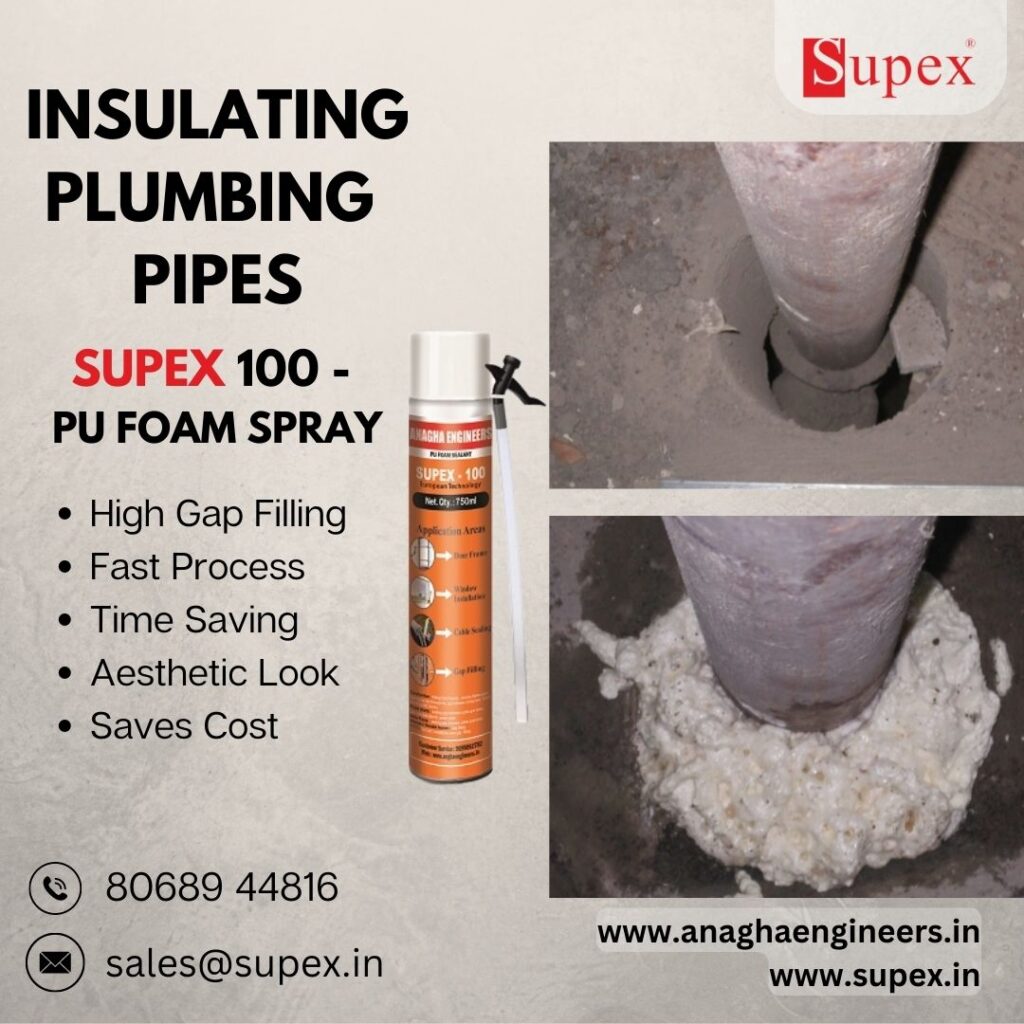
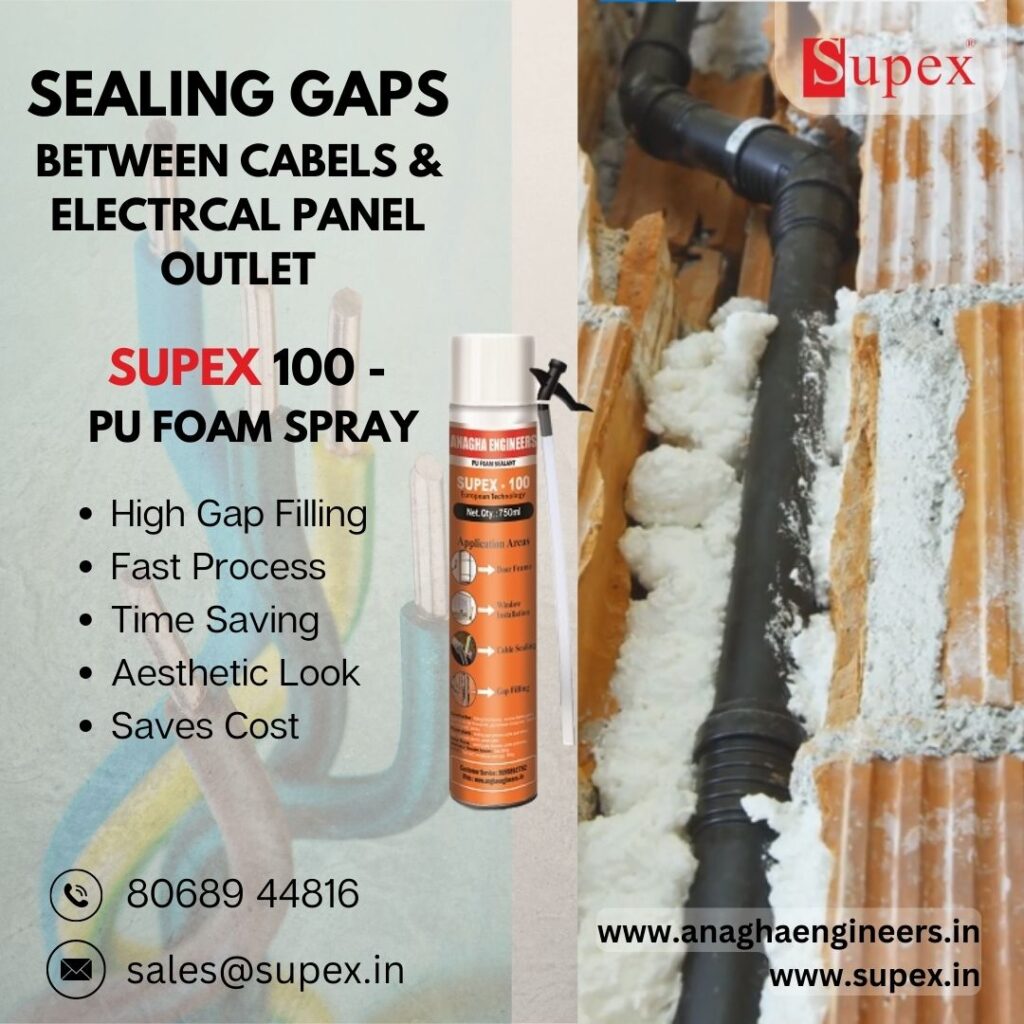
3. Pipe and Cable Penetrations
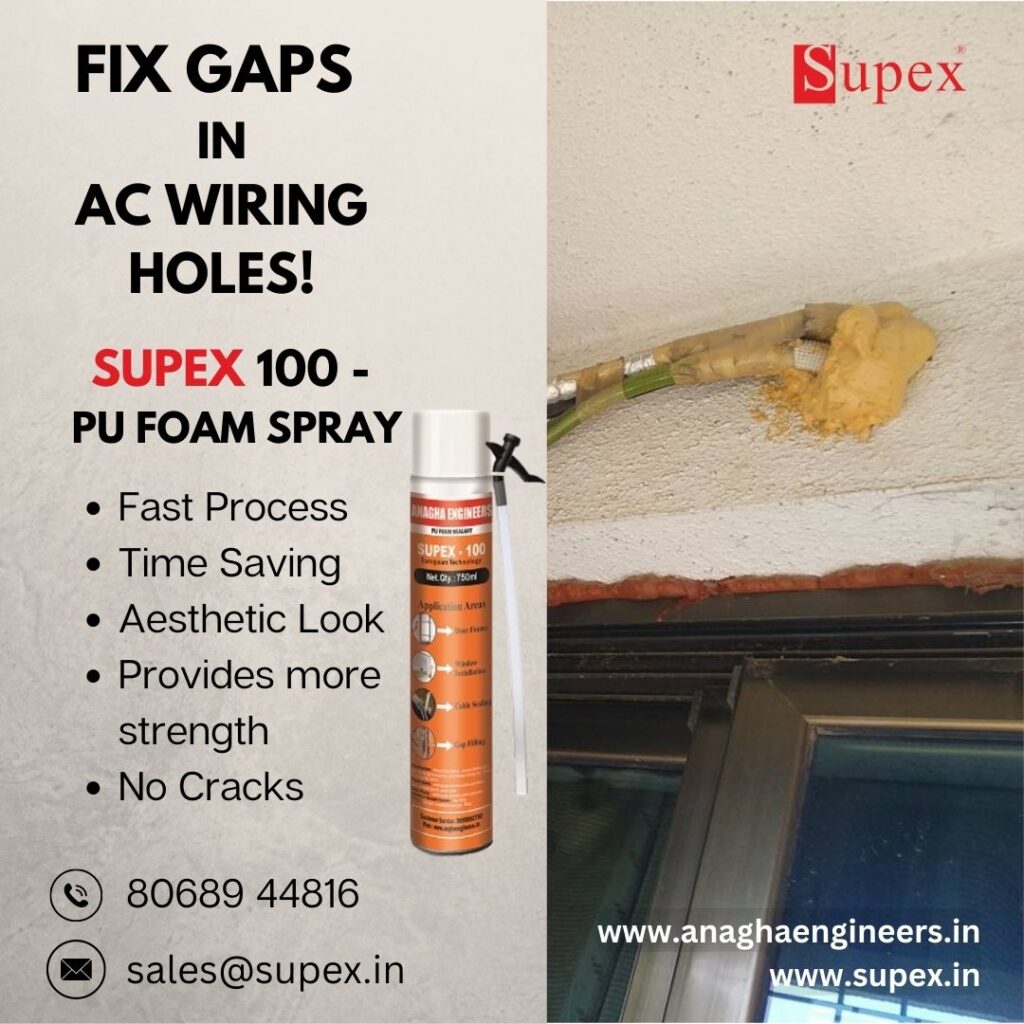
Openings around pipes, conduits and cables can leave unwanted voids in walls, floors and other structures.
Gap filler foam can be used for suitable non-fire-rated cavity-filling applications around these penetrations. Where fire resistance is required, use a product specifically designed and tested for that application rather than standard PU foam.
4. HVAC and Service Openings
Heating, ventilation, air-conditioning and other building services often require openings through walls and panels.
PU foam can help fill suitable gaps around service penetrations and reduce unwanted air movement through cavities.
5. Insulation Applications
One of the key advantages of PU foam is its insulating capability.
Depending on the application and formulation, expanding foam can help reduce heat transfer and improve sound insulation around gaps, joints and cavities.
6. Pest and Insect Entry Points
Small openings around walls, pipes, utility penetrations and other building components can provide entry routes for insects and rodents.
Filling suitable cavities with expanding foam can help close these openings. However, foam should not be treated as a standalone pest-control solution. The source of the entry point should be identified, and vulnerable materials or exposed foam may require an additional protective layer.
Benefits of Gap Filler Foam
Fills Irregular and Hard-to-Reach Gaps
Unlike materials that need to be manually shaped or packed into a cavity, expanding foam can flow into irregular spaces before curing.
Expands to Fill Voids
The expansion of PU foam allows a relatively small amount of dispensed material to occupy a larger cavity.
Helps Improve Insulation
Cured polyurethane foam can provide thermal and sound insulation, making it useful around construction openings and building services.
Easy to Trim After Curing
Once cured, excess foam can generally be cut or trimmed to achieve the required surface profile before further finishing.
Faster Application
Aerosol PU foam can be applied directly without preparing a cement or plaster mixture, making it convenient for installation and repair work.
Suitable for Professional and Maintenance Applications
Depending on the product, PU foam can be used with a straw applicator or a professional foam gun for greater control during application.
Gap Filler Foam vs. Traditional Gap Filling
Traditional gap-filling materials such as cement, plaster and putty can work well for certain applications, particularly where a hard surface finish is required.
However, they are not always convenient for deep, irregular or difficult-to-access cavities.
| Feature | Gap Filler PU Foam | Cement / Plaster / Putty |
|---|---|---|
| Irregular cavities | Excellent | Moderate |
| Large void filling | Suitable | Labour intensive |
| Application | Ready to use | Often requires mixing |
| Expansion | Yes | No |
| Thermal insulation | Yes | Limited |
| Sound insulation | Can provide | Limited |
| Trimming after curing | Yes | Requires finishing |
| Application speed | Generally fast | Generally slower |
The right material depends on the size, location and performance requirements of the gap. PU foam is not a universal replacement for every sealant or construction material.

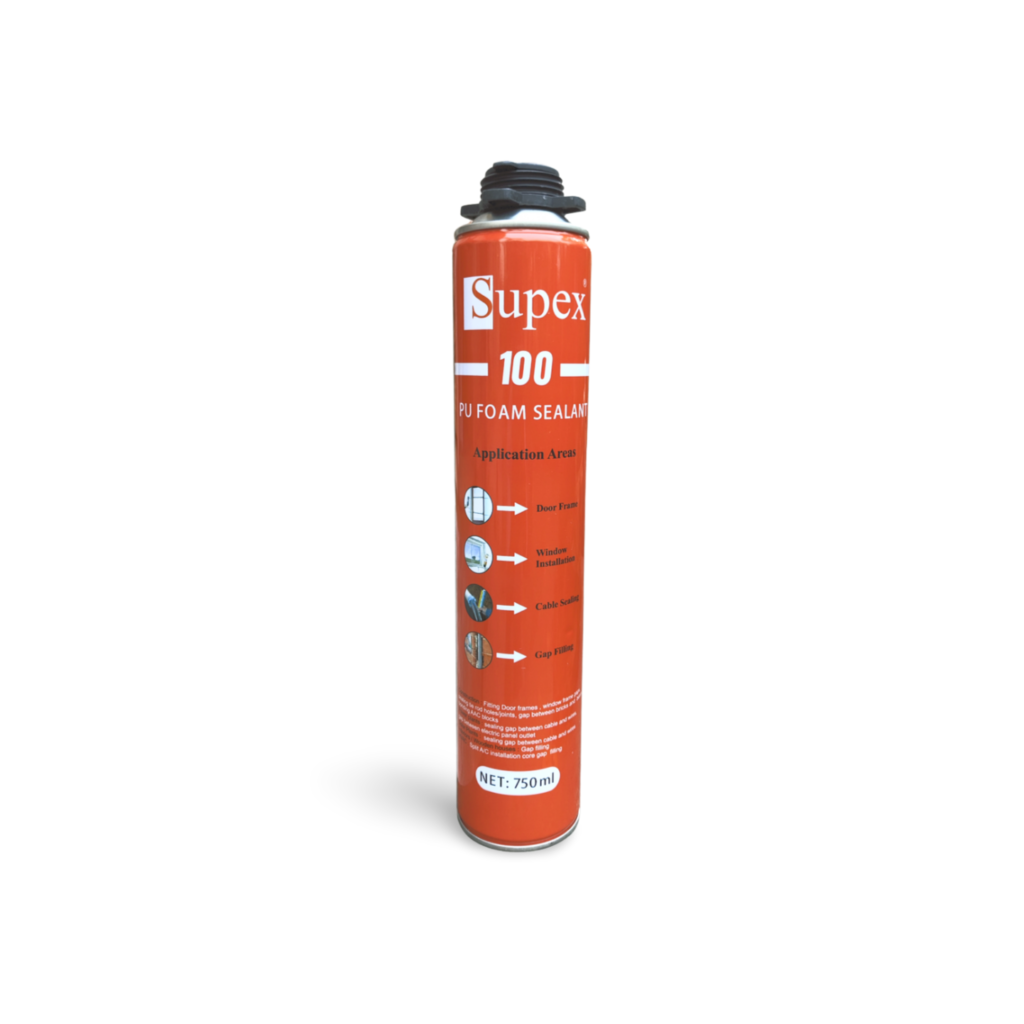

Gap filler foam
How to Apply Gap Filler Foam
The application method depends on whether the product is a straw-type or gun-grade foam.
Step 1: Prepare the Surface
Remove loose dust, dirt and debris from the gap. The surfaces should be stable and suitable for the selected foam.
Step 2: Check the Application Area
Identify the depth and approximate size of the cavity. Protect nearby finished surfaces because expanding foam can extend beyond the opening.
Step 3: Prepare the Can
Follow the manufacturer’s instructions for shaking and fitting the applicator. For gun-grade foam, attach the can securely to a compatible foam gun.
Step 4: Apply the Foam
Dispense the foam into the cavity in a controlled manner. Do not completely fill a large cavity at once because the foam will expand after application.
Step 5: Allow the Foam to Cure
Allow the foam to cure according to the product’s technical instructions and the surrounding environmental conditions.
Step 6: Trim Excess Foam
After curing, cut away excess material with a suitable blade or tool.
Step 7: Apply the Required Finish
Depending on the location, the cured foam may be covered with an appropriate sealant, coating, plaster or other finishing material.
For applications exposed to weather, UV radiation, impact or other environmental conditions, the cured foam should be appropriately protected.
Straw-Type vs. Gun-Grade Gap Filler Foam
The right applicator depends on the scale and precision required.
Straw-Type PU Foam
Straw-type foam is convenient for smaller repair, maintenance and DIY applications where a dedicated foam gun is not required.
Best suited for:
Small gap-filling jobs
General maintenance
DIY applications
Occasional use
Gun-Grade PU Foam
Gun-grade foam is designed for use with a compatible foam gun and provides greater control over dispensing.
Best suited for:
Professional installation
Repeated applications
Window and door installation
Construction projects
Applications requiring controlled dispensing
Supex offers both straw and gun-grade PU foam options within its PU foam sealant range.
Which Gap Filler Foam Should You Choose?
The right product depends on the application rather than simply the size of the gap.
Consider:
Gap size: Larger cavities may benefit from expanding PU foam.
Application method: Choose straw or gun-grade depending on the required control.
Location: Interior and exterior applications may have different finishing and protection requirements.
Insulation needs: PU foam can be useful where thermal or sound insulation is required.
Fire performance: Fire-rated applications require a specifically tested fire-retardant foam.
Finishing requirements: Consider whether the cured foam will need to be trimmed, painted or covered.
Environmental exposure: Exposed foam may require protection from UV and weathering.
If the requirement is a thin, flexible waterproof joint seal rather than filling a deep cavity, a conventional sealant may be the better solution. Supex’s separate gap-filler guide covers applications where PU foam is combined with products such as acrylic sealant for window installations.
Supex Gap Filler Foam Products
Supex provides a range of polyurethane foam solutions for construction, installation and maintenance applications.
Supex 100 Foam Spray Sealant
Supex 100 is an expanding PU foam solution designed for applications including gap filling, sealing and insulation.
Explore Supex 100 Foam Spray Sealant
Supex 100 Gun Grade PU Foam
For professional applications where controlled dispensing is important, Supex also offers a gun-grade polyurethane foam spray sealant.
View the Supex PU Foam Sealant Range
Anaghafoam FR
For applications where fire-retardant performance is required, Supex offers Anaghafoam FR polyurethane foam spray.
Always select a fire-rated product based on the actual fire-performance requirement and the applicable project specification.
Explore Supex PU Foam Sealants
Gap Filler Foam: Frequently Asked Questions
What is gap filler foam?
Gap filler foam is an expanding polyurethane foam used to fill cavities, openings and irregular gaps. It can also provide thermal and sound insulation depending on the application.
Is PU foam good for filling large gaps?
PU foam can be suitable for large or deep cavities because it expands after application. The foam should be applied in a controlled manner according to the manufacturer’s instructions.
Can gap filler foam be used around windows and doors?
Yes. Expanding PU foam is commonly used to fill suitable gaps between frames and surrounding construction materials. The final joint may require an additional sealant or protective finish depending on its location.
Can expanding foam be used for insulation?
Yes. Cured PU foam provides insulating properties and can help reduce heat and sound transfer through suitable cavities.
Can gap filler foam stop insects and rodents?
Filling suitable openings with PU foam can help close potential entry points. However, exposed foam can be damaged by physical forces or pests, so the underlying entry route and any required protective treatment should also be addressed.
Is gap filler foam waterproof?
Cured PU foam can resist moisture, but it should not automatically be treated as a complete exterior waterproofing system. For joints exposed directly to rain, water or UV, the complete sealing system should be selected according to the application.
Can PU foam be painted?
Cured foam can generally be trimmed and covered with a suitable coating or sealant where compatible. Always check the product’s technical guidance and the compatibility of the finishing material.
What is the difference between PU foam and sealant?
PU foam is primarily useful for filling and insulating cavities, particularly larger or irregular gaps. Sealants are generally used to create a flexible surface seal between two materials.
In some installations, both can be used together—for example, PU foam to fill a larger cavity followed by a suitable sealant as the exposed finishing layer.
Final Takeaway
Gap filler foam is a versatile solution for filling cavities, construction gaps and irregular openings while also providing useful insulation properties.
Expanding PU foam is particularly valuable where conventional materials are difficult to apply, where a cavity needs to be filled efficiently, or where thermal and sound insulation are additional requirements.
For the best results, select the foam according to the gap size, application method, environmental exposure and performance requirements. For applications requiring fire-rated performance or specialised sealing, choose a product specifically designed for that purpose.
Share this post
10 Responses
Hi Angha Engineers Team,
I am interested in Rodent resistant Gap Filler PU foam and request you to share your Technical details and best quote for the same.
Regards
Discussed and shared bty email sir
Good blog! I have found here much useful information for yourself and would like to thank you for done by work.
Hi i need to seal the gaps between two GI sheets to prevent ingress of insects in our ware house. do you provide services for industrial sealing of gaps with foam as well as a one time service.
Where can I purchase this
Toll free no: 18001214771, Email: [email protected]
How can i order this product? Is it available in Bangalore?
You can mail the order to [email protected] OR call 18001214771 OR Whatsapp 9699892782