
What is Polyurethane PU Sealant?
Polyurethane PU sealant is a high-performance adhesive and sealing material designed to create strong, flexible, and waterproof seals between different surfaces. It is widely used in construction, automotive, and industrial applications to seal joints, gaps, and cracks while maintaining long-term durability.
PU sealants are known for their excellent adhesion, elasticity, and resistance to weather, vibration, and moisture, making them suitable for both indoor and outdoor use.
Key Features of PU Sealant
Supex polyurethane sealants are engineered to deliver reliable performance in demanding environments.
- High flexibility and elasticity
- Excellent adhesion to multiple materials
- Waterproof and weather-resistant
- Paintable after curing
- UV and moisture resistant
- Resistant to vibration and movement
- Long-lasting durability
- Suitable for indoor and outdoor use
These features make PU sealants ideal for heavy-duty industrial and construction applications.
Benefits of Using Polyurethane Sealant
Polyurethane sealants offer several advantages compared to traditional sealing materials.
Strong and Durable Bonding
Supex sealants create strong bonds that maintain structural integrity over time, even under stress and movement.
Waterproof Protection
These sealants provide reliable protection against moisture, making them suitable for waterproofing applications.
Flexible Movement Capability
Polyurethane sealants can expand and contract with surface movement, preventing cracks and seal failure.
Multi-Surface Compatibility
Polyurethane sealants adhere well to various materials, reducing the need for multiple products.
Applications of Polyurethane Sealant
Polyurethane sealants are used across many industries due to their versatility and durability.
Construction Applications
Polyurethane sealants are widely used in building and infrastructure projects.
Common Uses:
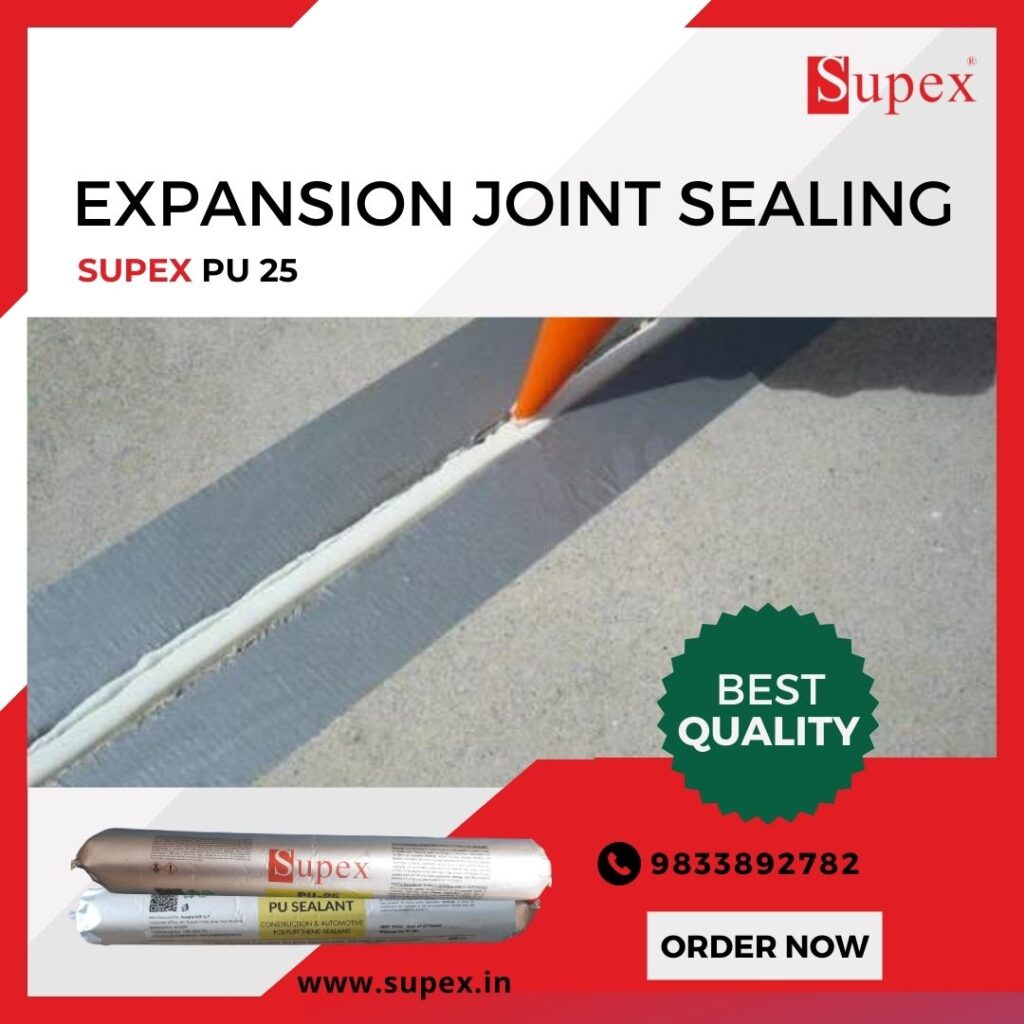
- Expansion joint sealing
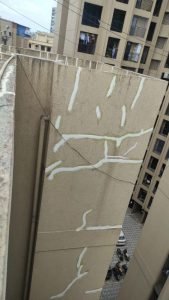
- Concrete crack filling
- Window and door frame sealing
- Waterproofing joints
- Roofing and façade sealing
- Precast panel sealing
Automotive Applications
Polyurethane sealants play an important role in vehicle manufacturing and repair.
Common Uses:
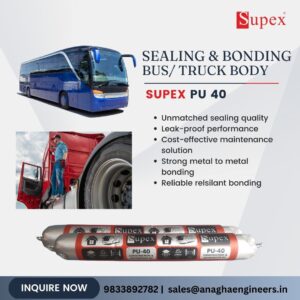
- Bus body sealing
- Metal panel bonding
- Roof sealing
- Automotive body joint sealing
- FRP bonding
- Vibration-resistant joints
Industrial Applications
They are used in various industrial environments.
Common Uses:
- HVAC duct sealing
- Machinery assembly
- Metal-to-metal bonding
- Structural sealing
- Equipment maintenance
- Industrial panel bonding
Materials Compatible with Polyurethane Sealant
Polyurethane sealants provide excellent adhesion to a wide range of materials.
Compatible Materials:
- Concrete
- Metal
- Glass
- Wood
- Stone
- Ceramic
- Plastic
- Aluminum
- Steel
This wide compatibility makes PU sealants suitable for multi-material bonding applications.
PU Sealant vs Silicone Sealant
Understanding the difference helps users choose the right sealant.
| Feature | PU Sealant | Silicone Sealant |
|---|---|---|
| Strength | High | Medium |
| Paintable | Yes | No |
| Flexibility | High | Very High |
| Best Use | Structural joints | Glass & glazing |
| Durability | Long-lasting | Long-lasting |
Polyurethane sealants are preferred for structural and heavy-duty applications, while silicone sealants are commonly used for glazing and glass sealing.
How to Apply Polyurethane PU Sealant
Proper application ensures maximum performance.
Step-by-Step Application:
- Clean the surface to remove dust, oil, and debris
- Ensure the surface is dry and stable
- Cut the nozzle to the desired bead size
- Apply sealant evenly using a sealant gun
- Smooth the surface using a suitable tool
- Allow proper curing time before exposure
Following correct application steps improves seal durability and performance.
Technical Characteristics of Polyurethane Sealant
| Property | Typical Value |
|---|---|
| Chemical Base | Polyurethane |
| Cure Type | Moisture Cure |
| Skin Formation Time | 30–60 Minutes |
| Cure Rate | Approx. 2–3 mm per 24 hours |
| Movement Capability | High |
| Operating Temperature | Wide Range |
| Adhesion | Multi-surface |
These technical characteristics make PU sealants suitable for high-performance industrial sealing applications.
Industries That Use Polyurethane Sealant
Polyurethane sealants are widely used across multiple industries.
Industries Include:
- Construction Industry
- Automotive Industry
- Infrastructure Projects
- HVAC Systems
- Marine Applications
- Manufacturing Units
- Industrial Fabrication
- Transportation Industry
Their versatility allows reliable sealing in both indoor and outdoor environments.
Get the strongest bond with polyurethane sealant 🔗💪
Types of 1K Pu Sealant
A. Self levelling PU sealant
Applications
- Sealing of shrinking joints in concrete floors.
- Sealing of floor joints
- All usual horizontal building, connection, expansion and dilatation joints . Excellent for sealing of joints in environments where fuel and oil contact occurs.
· Hydraulic fluids, lubricants, oils – Fuels (petrol and gasoline): Resistant to splash and spillage contact.
B. Low modulus PU sealant
Applications
- All usual building joints with high movement.
- Connection joints between window- and door frames and walls
- Expansion joints between many different construction materials
- Joints with large movement.
C. Construction PU Sealant
Applications:
- All sealing and bonding applications in the building industry
- Structural bonding in vibrating constructions
D. Industrial metal bonding PU sealants
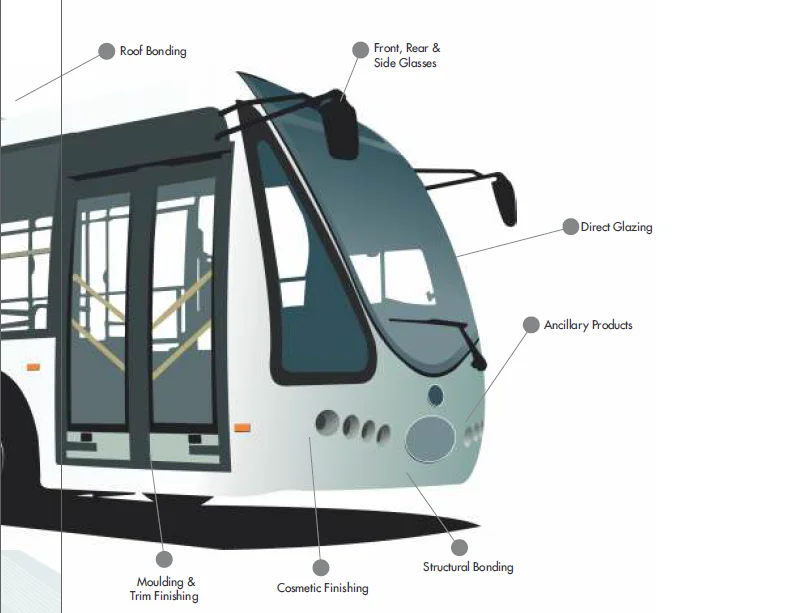
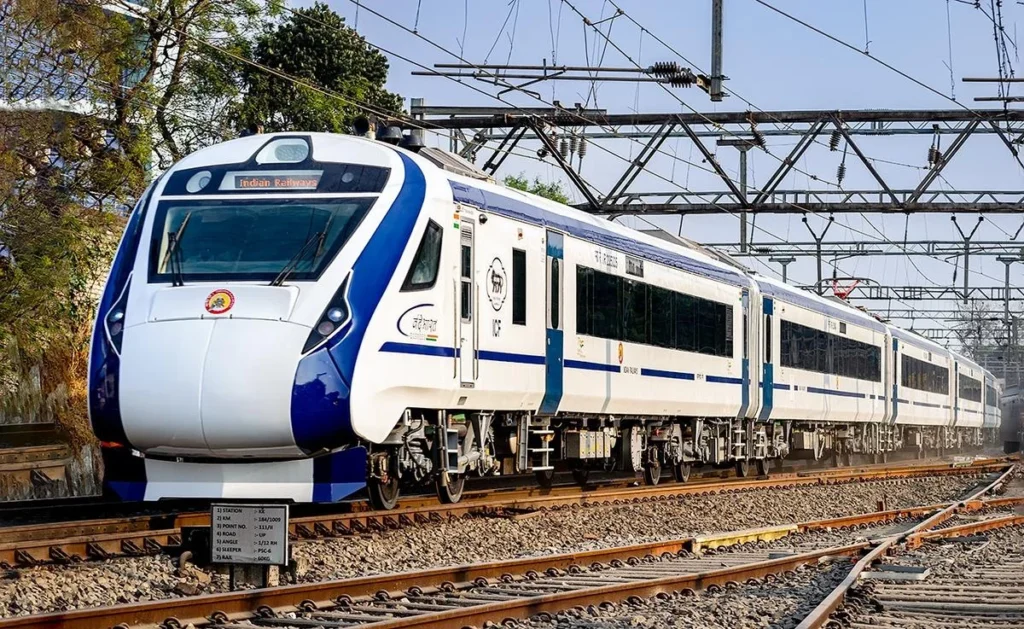
Used for bus body building, white goods, Elevators, Escalator, HVAC, Railway coaches
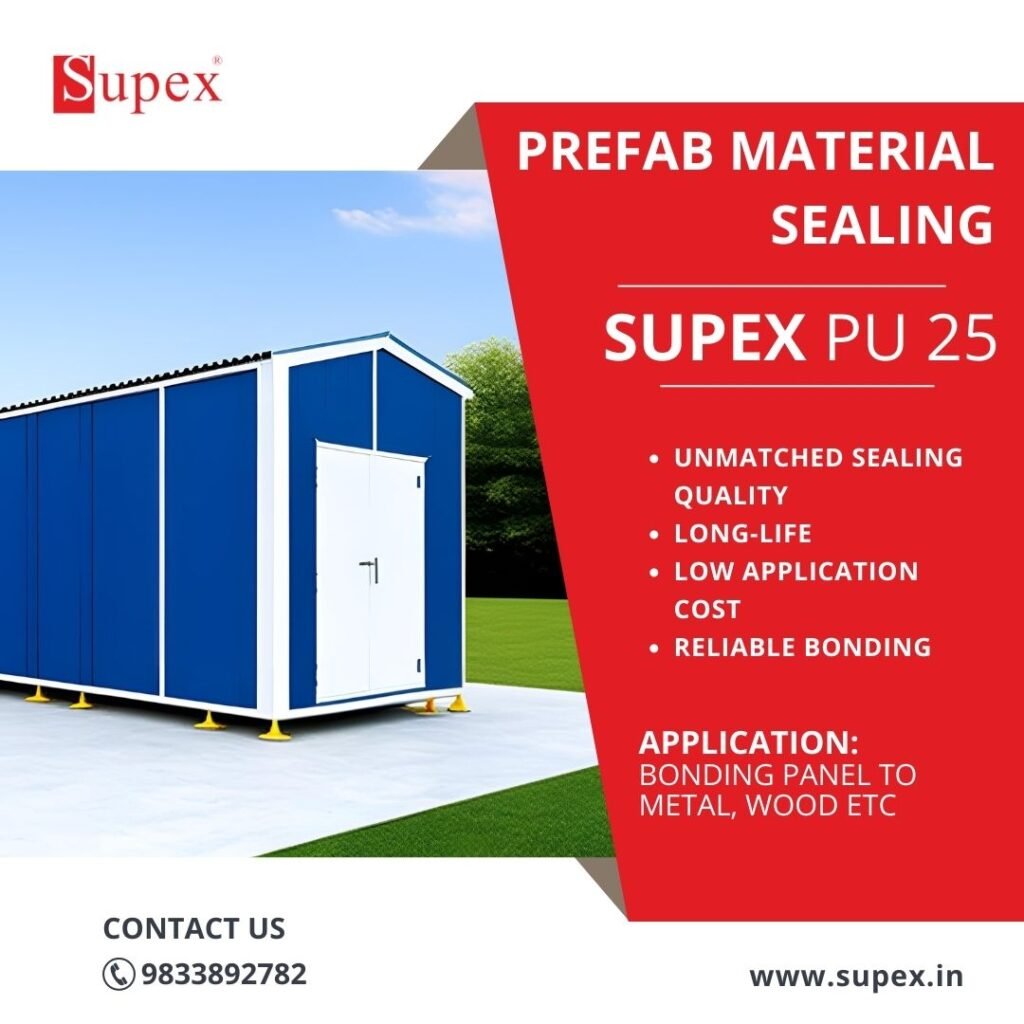
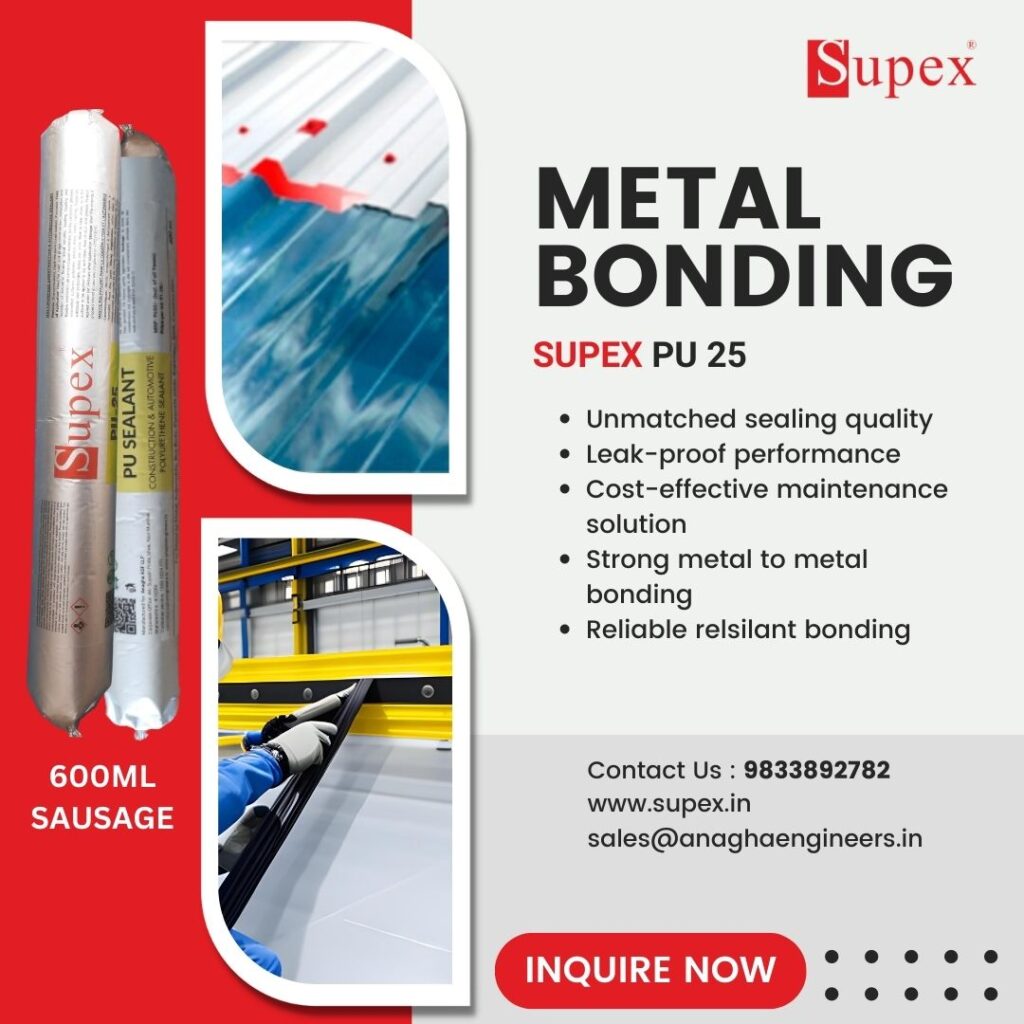
Supex PU 25 polyurethane glue
PU 25 bonds well to a wide variety of substrates and is suitable for making permanent elastic seals of high adhesive strength. Suitable substrate materials include timber, metals, metal primers and paint coatings (two-component systems), ceramic materials and plastics.
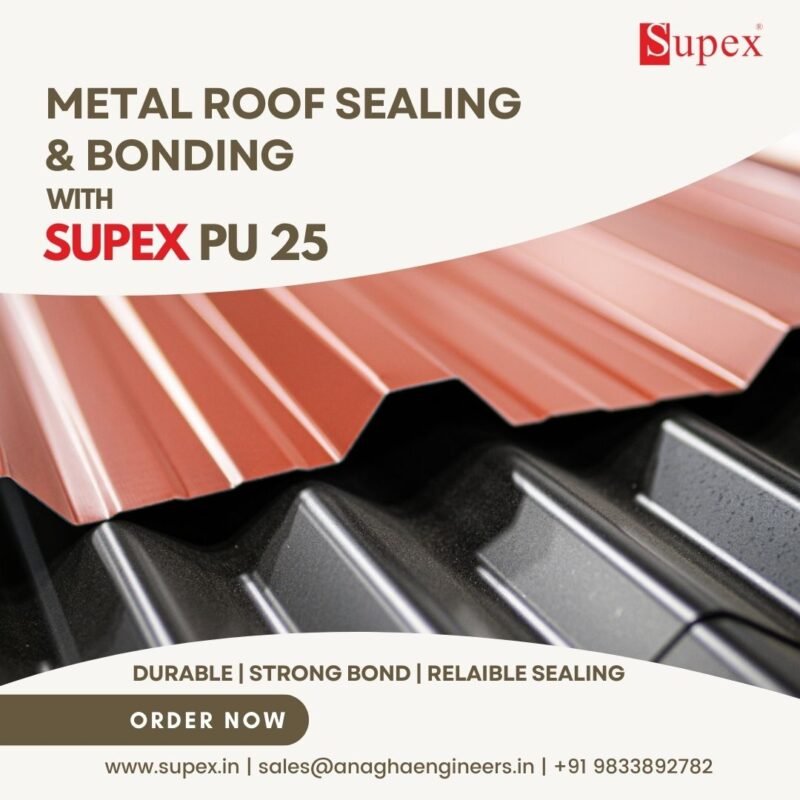
can be used for bonding or sealing lap seams on trucks, bus, trains, trailers, roofs vans,RV’s specialty vehicles and constructions panels
E. Auto Glass bonding
Windscreen bonding, glazing
Rear screen bonding
Window glass glazing in railway coaches, bus etc
Frequently Asked Questions (FAQs) About PU Sealant
What is polyurethane sealant used for?
Polyurethane sealant is used for sealing expansion joints, cracks, and gaps in construction, automotive, and industrial applications. It provides flexible and waterproof sealing for long-term durability.
Is PU sealant waterproof?
Yes, polyurethane sealants are highly waterproof and protect joints from moisture, rain, and humidity.
Can polyurethane sealant be painted?
Yes, most PU sealants can be painted after curing, making them suitable for decorative and structural applications.
How long does PU sealant take to cure?
PU sealants typically cure within 24–48 hours, depending on temperature and humidity conditions.
What materials can PU sealant bond to?
PU sealants bond to materials such as:
- Concrete
- Metal
- Glass
- Wood
- Stone
- Plastic
Why Choose Supex Polyurethane Sealants?
Supex polyurethane sealants are developed to meet demanding industrial requirements.
Reliable Performance
Supex sealants provide consistent bonding strength and long-term sealing reliability.
High-Quality Formulation
Manufactured using advanced technology to ensure performance stability.
Suitable for Harsh Conditions
Designed to withstand temperature variations, moisture, and environmental stress.
Wide Application Range
Used across construction, automotive, and industrial sectors.
Trusted by Professionals
Preferred by engineers, contractors, and industrial users for dependable sealing solutions.