
Mattress Adhesive Challenges
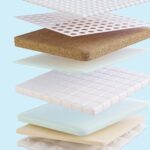
Mattress Adhesive is used on multiple foam and fabric layers. These layers must stay bonded to deliver comfort and durability. However, weak adhesives often fail. As a result, layers shift, sag, or separate. Comfort drops. Mattress life shortens.
When layers loosen, surfaces become uneven. Support suffers. Sleep turns restless. Over time, this causes body aches, fatigue, and early replacements. Even a great design fails without strong bonding.
The Solution: Supex Mattress Adhesives
Supex adhesives create strong, lasting bonds for foam, fabric, and springs. They resist pressure, movement, and temperature changes. Therefore, mattresses stay supportive, soft, and durable for years.
Mattress adhesive plays a key role in the mattress and bed manufacturing industry. It holds the internal layers together and keeps materials stable under the cover. Moreover, water-based rubber adhesive stands out for its environmental benefits. Unlike solvent-based options, it releases fewer VOCs. As a result, it lowers emissions and creates a safer workplace. This makes it a smarter, greener choice for manufacturers.
What is Water-Based mattress adhesive?
Water-based mattress adhesive uses water as a carrier or solvent and incorporates rubber as its primary adhesive component. This unique formulation results in an adhesive that is both effective and environmentally friendly.
Industries That Benefit from Water-Based Rubber Adhesive
- Paper and Packaging: Water-based rubber adhesives are often used in the paper and packaging industry for tasks like sealing envelopes, gluing paperboard cartons, and bonding labels to various packaging materials.
- Labeling: They are commonly used for labeling applications, such as attaching product labels to bottles, jars, or other containers. Water-based adhesives are preferred in these applications due to their non-toxic and environmentally friendly nature.
- Tape Manufacturing: Water-based rubber adhesives can be used in the production of adhesive tapes, including masking tape and packaging tape.
- Bookbinding: In bookbinding, water-based rubber adhesives can be used to bind the pages of books and other printed materials together.
- Woodworking: They can be used in woodworking for bonding wooden parts together. Water-based adhesives are often chosen in woodworking applications where solvent-based adhesives may not be suitable due to the release of volatile organic compounds (VOCs).
- Footwear: Water-based rubber adhesives are used in the manufacture of shoes and other footwear, it can be used as footwear adhesive particularly for bonding rubber soles to shoe uppers.
- Textiles and Fabric: In the textile industry, these adhesives can be used for fabric bonding and laminating.
- Automotive: Water-based rubber adhesives are used in automotive applications, including attaching fabric to interior components or bonding rubber seals and gaskets.
- Construction: They may be used in construction for bonding materials like insulation, roofing materials, and tiles.
- General Assembly: Water-based rubber adhesives find applications in various assembly processes where a strong yet flexible bond is required.
- Mattress Industry: Adhesive is commonly used to bond foam to foam for manufacturing mattress. Using water based rubber adhesive will be an added advantage as solvent-based adhesives are very toxic and has strong odour.
Benefits of water-based Adhesive:
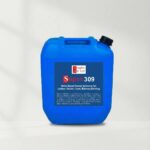
- Safer and Eco-Friendly: SUPEX 309 is a safer alternative to solvent-based adhesives widely used in the foam and footwear industries. Solvent-based adhesives emit harmful volatile organic compounds (VOCs) that can harm workers’ health and pollute the environment. In contrast, water-based adhesives like SUPEX 309 have low VOC emissions, reducing health risks for workers and minimizing environmental impact.
- Improved Worker Comfort: Water-based adhesives offer significantly reduced odor compared to solvent-based options. This means a more comfortable working environment for employees, as they are not exposed to strong chemical fumes. With SUPEX 309, workers can focus on their tasks without discomfort or health concerns.
- Enhanced Efficiency and Compatibility: SUPEX 309 provides excellent wet tack, allowing for faster assembly and increased production speed in the foam and footwear industries. The adhesive’s compatibility with different materials offers manufacturers greater flexibility, streamlining their processes and reducing the need for multiple adhesives.
- Water Resistance and Durability: Water-based adhesives like SUPEX 309 exhibit superior water resistance, ensuring that bonded components retain their integrity, even in wet conditions. This attribute is essential for foam products used outdoors or in environments exposed to moisture.
Types of Adhesives for Mattresses
Mattress adhesives bond foams, pocket coils, fabrics, and fibers. They must stay flexible, durable, and non-yellowing. At the same time, they should apply quickly and easily. This helps maintain appearance, simplify transport, and improve production speed. In general, manufacturers choose from three main adhesive systems.
1. Solvent-Based Adhesives
Solvent-based adhesives are the most traditional option. They deliver very strong bonds, often stronger than water-based systems. Manufacturers apply them by spray, roll coating, or beads and dots.
However, these adhesives release solvent fumes as they dry. This can affect air quality. Today, newer formulations reduce this issue. They contain more solid content, which lowers solvent use and reduces overall consumption.
2. Water-Based Rubber Adhesives
Water-based adhesives support more sustainable mattress production. They release only water during curing. As a result, they are safer for both workers and the environment.
Although their bonds are less strong than solvent-based options, they remain flexible and odorless. That is usually enough for mattresses. However, they need longer drying times. If curing is rushed, trapped moisture can cause mold. Fortunately, modern technology now speeds up curing and limits overspray.
3. Hot Melt Adhesives
Hot melt adhesives are the newest and most efficient option. They apply with heat and set as they cool. Because they contain no solvents or water, they cure fastest and carry minimal risk.
They also provide strong initial tack and improve production efficiency. Sometimes, dried hot melt can cause a cracking sound. Still, ongoing innovation continues to reduce this issue. Most hot melt adhesives spray easily, and newer rollable versions offer even more flexibility.