
Best Industrial Joint Sealants in India: Construction & Structural Solutions

What are joint sealants?

Joint sealants are essential materials used to seal expansion joints, concrete joints, and structural gaps in construction and industrial applications. High-performance joint sealants prevent water leakage, air infiltration, and structural damage while allowing movement caused by temperature and vibration.

Modern industrial joint sealants such as polyurethane, silicone, and MS polymer sealants are widely used in buildings, infrastructure, automotive, and manufacturing sectors across India.  

Best Joint Sealants in India for Expansion Joints & Construction

Every project—whether it’s sealing a leaky sink at home or bonding heavy materials on a construction site—relies on the strength of its joint sealants. With advancements in adhesive technologies, today’s joint sealants are engineered for specific functions, delivering precision, performance, and reliability. The challenge lies in selecting the right one.

Let’s explore some of the most trusted types of sealants and where they shine best.


1. Polyurethane (PU) Foam Spray for Construction Gaps– Fill, Seal, and Insulate

These expanding foam joint sealants are excellent for sealant for doors.Polyurethane PU foam spray for insulating and sealing construction gaps and joints.filling large gaps and cavities, especially around doors, windows, and pipe penetrations. They insulate against noise, moisture, and heat—making them essential for energy-efficient buildings.
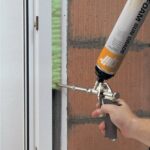
Best for: Construction gaps, wall cavities, HVAC installations
Why it works: Fast expansion, moisture resistance, long-term durability


2. MS Polymer Adhesives – Flexible Yet Strong

Modified Silane (MS) adhesives combine the High-strength MS Polymer adhesive sealant for flexible bonding in industrial projects.flexibility of silicones with the strength of polyurethanes. They’re used widely in automotive, construction, and metal fabrication for their ability to withstand dynamic stresses.
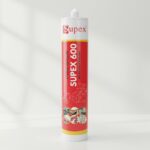
Best for: Metal bonding, curtain wall assemblies, façade elements
Why it works: Weatherproof, elastic bonding, excellent adhesion to multiple substrates

3. PU Sealants – Reliable Structural Sealers

Polyurethane (PU) joint sealants offer excellent adhesion and elasticity. Waterproof Polyurethane PU sealant Commonly used in heavy-duty construction, they’re capable of bonding to glass, concrete, and aluminum, and are often applied where structural movement occurs.
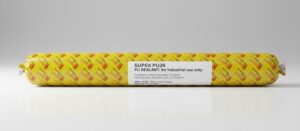
Best for: Joint sealing, glazing, expansion joints
Why it works: UV resistant, long-lasting, tough bonding capability


4. Silicone joint Sealants – Heat and Water Resistant

Silicones are popular in both household and industrial useneutral cure silicone sealant. for their resistance to extreme temperatures and moisture. Whether you’re waterproofing a bathroom or installing glass facades, silicone sealants provide a clean, durable finish.
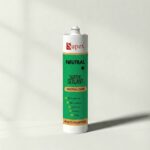
Best for: Bathrooms, kitchens, weather-exposed joints
Why it works: High thermal stability, mold resistance, flexibility


5. Acrylic joint sealants – Quick, and Clean

Acrylic sealants are perfect for applications requiring window sealanttransparency and strong initial tack. They’re commonly used in signage, craftwork, and bonding plastics or glass without the mess.
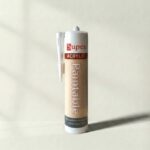
Best for: Display panels, plastic bonding, DIY projects
Why it works: Fast-setting, non-yellowing, ideal for aesthetic finishes


FAQs

What is the main function of a joint sealant?

It prevents the penetration of water and air into structural joints while allowing for movement caused by thermal changes or settling.

Are all joint sealants waterproof?

Yes, most are designed with waterproofing and chemical resistance to protect long-lasting structures.

Can I use any sealant for any job?

No. Products vary in elasticity and durability; for instance, “moving joints” require highly flexible sealants, while rigid sealants are better for static areas.

Does surface material matter?

Yes. Compatibility is key to avoid issues like swelling or discolouration.

Can I apply sealant in any weather?

Ideal temperatures are typically between +5°C and +40°C. Applying below 5°C can lead to curing issues or frost interference.

Should I apply sealant to a wet surface?

Generally, surfaces should be completely dry to ensure proper adhesion.

What is “tooling”?

Tooling is the process of smoothing the sealant bead (often using a soapy solution and a plastic tool) to create a neat, professional finish.

How do I control the depth of the sealant?

Use backer rods to maintain the correct width-to-depth ratio. 


Can I use sealant past its expiry date?
No. Shelf life is limited by ISO standards and storage conditions; expired products may not perform as intended.

How long does joint sealant take to dry?
It varies by type; for example, many polyurethanes form a “skin” within 24 hours.

Why does sealant fail?
Common causes include incorrect joint design, poor site preparation (like failing to clean or prime), or exceeding the sealant’s movement capability.
 

Applications of Joint Sealants

Joint sealants are used across various construction and infrastructure settings, including:

  • Expansion Joints in roads, bridges, and buildings
  • Perimeter Sealing around windows, doors, and curtain walls
  • Floor Joints in concrete slabs and industrial floors
  • Wet Areas like bathrooms, kitchens, and swimming pools
  • Roofing and Facade Systems to protect from wind and rain

Key Benefits of Using Joint Sealants

  • Weatherproofing: Blocks water, air, and dust infiltration
  • Movement Accommodation: Allows structures to expand and contract without damage
  • Structural Integrity: Prevents cracks and joint degradation
  • Aesthetic Finish: Provides clean lines and uniform surfaces
  • Cost Efficiency: Reduces long-term maintenance and repair costs

Considerations When Choosing a Sealant

  • Movement Capability: Choose a flexible sealant for joints that expand/contract.
  • Substrate Compatibility: Ensure proper adhesion to the surface.
  • Exposure Conditions: UV, moisture, temperature extremes, or chemicals.
  • Application Environment: Indoor vs. outdoor, vertical vs. horizontal surfaces.
  • Cure Time & Workability: Fast-curing for time-sensitive projects, or slow-setting for complex joints.  

Conclusion

Joint sealants may go unnoticed, but they are foundational to the longevity and performance of any structure. From safeguarding against leaks to absorbing movement and enhancing appearance, the right joint sealant can significantly reduce maintenance costs and extend the life of a building.  

Whether you’re managing a large construction project or sealing a bathroom fixture, understanding the function and selection of joint sealants ensures better results and long-term satisfaction.

Share this post

Leave a Reply

Your email address will not be published. Required fields are marked *

Get in touch with Supex experts now!

Please fill out the form and we will reach back to you. We hope to work with you soon.

Reach out to us over phone, whatsapp & email