
Acetoxy GP Sealants Silicone
Most popular & thus used extensively due to lower price. One of the top selling product amongst silicones. Features including Acetoxy cure , low cost , low elongation, Resistant to sunlight making it undoubtedly suitable for general gap filling applications. Price is an important criteria for product selection thus making it the most popular above all. It Bonds to most substrates except PP, PTFE, LDPE, HDPE and low energy substrates.
Uses of acetoxy sealing silicone
Such RTV silicone sealant is ideally suited for sealing, glass, windows, shopfront, aluminium joints, showcases, bus body building and automobiles on the whole.
Furthermore, it is apt for building and construction joints , Glazing and connection joints, elastic joints in cold store and container applications, Sealings in air condition systems last but not the least in General sealing for automotive applications
Packing: 260 ml , 280 ml , 300 ml cartridge
Colours Available : Translucent, White, Black as well as Other special colours as per requirements.
Disadvantages of GP Silicone
- bonding with porous substrates is poor ,eg: concrete
- bonding with uPVC is poor
- strong odour
- releases acetic acid as by-product during curing, this acid is corrosive and corrodes metal surface. Automotive OEM generally dont use acetoxy silicones in the engine/transmission/ under the hood.
- it is not sensor safe
- durability and sustainability is lesser than neutral grade silicones
- shrinkage due to high solvent content
1. Silicone sealants for Construction:
A. Structural / Glazing silicone sealants
Structural glazing rtv silicone sealant is used for the structural transfer of loads from the glass to its perimeter support system and retention of the glass in the opening.
Wind load and other impact loads on the façade are transferred from the glass or panel, through the structural silicone sealant and subsequently to the structure of the building. The silicone sealant must maintain not only its adhesive but also its cohesive strength on the facade for the reason of withstanding the wind loads and thermal stresses.
The one part structural silicone sealant packaging options allow for more flexibility of use by the installer, as the silicone can be conveniently used on building sites with minimal fuss.
B. Weatherproof Sealant
These Sealants are used for typical construction applications.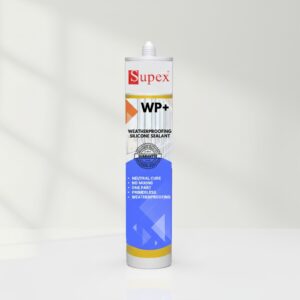
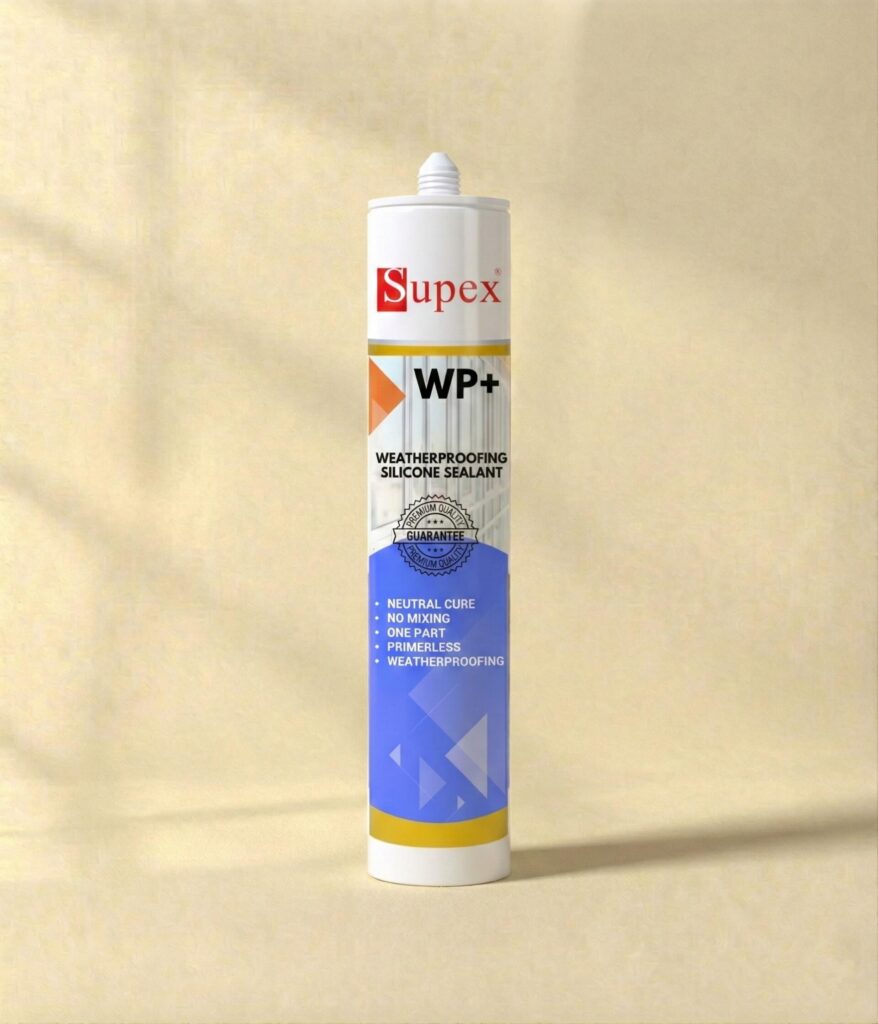
Neutral Cure glazing silicone sealants are very popular due to its bonding capability with Glass and metals. Alongwith bonding abilities, excellent weathering ability makes it popular to be used against water / atmosphere admittance in metal structures and civil constructions.
Excellent adhesion properties especially on glass, laminated glass, coated aluminum, galvanized steel, concrete and masonry.
Alternatively, High tensile strength besides high elongation properties.
Uses of weather silicone:
- For weatherproofing sealing of nonstructural curtain wall joints,facade joints
- Weather sealing in metal, glass,stone,aluminum panel, and plastic
- All usual building, connection, expansion and dilatation joints
- Excellent for double glazing system applications.
- lastly, Weather sealing of expansion joints in the facade industry
Packings : 280 , 300 ml cartridge, 600 ml sausage
Colours: Black,White, Translucent as well as Grey
C. General Purpose Neutral Cure Silicones
GP Neutral cure rtv silicone sealant is a multipurpose while being a cost effective neutral cure silicone sealant.
Uses of GP Neutral plus Silicone sealants: It should be noted that GP Neutral silicones sealant will bond to make strong weatherproof seal on most common building material in the case of glass, concrete, aluminium, brick, steel, ceramic, plastic and most porus & non porous Substrates.
Features and Advantages – GP Neutral cure Silicone :
- Non-Corrosive
- Neutral cure/low odor
- Low modulus, Permanently flexible
- Excellent adhesion to vinyl, wood, steel, aluminum, glass and plastic
- VOC Compliant
- Sealing electrical equipment
- Waterproof/weatherproof
Packing: 280 , 300 ml cartridge .
Colours : Translucent, Black, White, Grey . Special colours are made as per request.
D. Anti Fungal, Bathroom/Kitchen Sealant
One of the most well-known applications of a silicone joint sealant is in your bathroom and kitchen. In recent years bathrooms and kitchens have become more luxurious. More and more money and time is spent to create a “wet” area that ticks all the boxes of the consumer’s needs, demands and requirements.
Classic sanitary materials, such as ceramics, enamel and glass are being replaced by materials such as natural stone, stainless steel and plastics such as polyester and PMMA . In order to ensure optimum adhesion and to achieve a durable and sustainable seal on these “new” materials, also “new” joint sealants are required.
Characteristics:
One component RTV (Room Temperature Vulcanising)
Excellent UV resistance
Can be applied to overhead or vertical joints
Excellent adhesion on porous and non-porous substrates
Anti-fungus properties
Mould resistant
2. Industrial
Gasketing/ Flange sealing
You name any 2 or 4 wheeler, truck, tractor, Stationery engines, Generators, construction equipments like Tipper, Trailer, Payloader, Dumper etc – each one of them as a rule have been sealed using heavy duty rtv silicone sealant . Typical Automotive Engine applications include
- Oil sump to engine block flange sealing
- Transmission cover sealing
- Cam Shaft cover sealing
- Engine Block to Head Flange sealing .There are various sealing & bonding applications accomplished using such sealants.

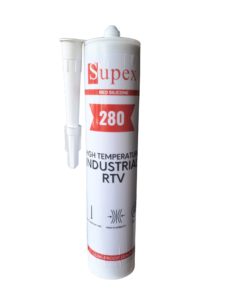
Supex RTV gasket maker is also used extensively in Industrial manufacturing like heavy duty pumps, gear boxes, white goods, LEDs, Solar units, compressors. They also find usage for MRO applications in process plants, eg: paper, power, chemical, sugar, mines etc.
Typical properties of RTV gasket maker are
- High tensile strength
- High movement capability , elongation
- Resistance to chemicals, fuel , engine oil, transmission oil.
- Easy removal from the surface while overhauling and applying new sealant.
- Non corrosive and sensor safe – typically neutral cure silicone is used.
- High temperature resistance , from 150 to 450 C
- lastly, Withstand internal pressure up to 10 Bars
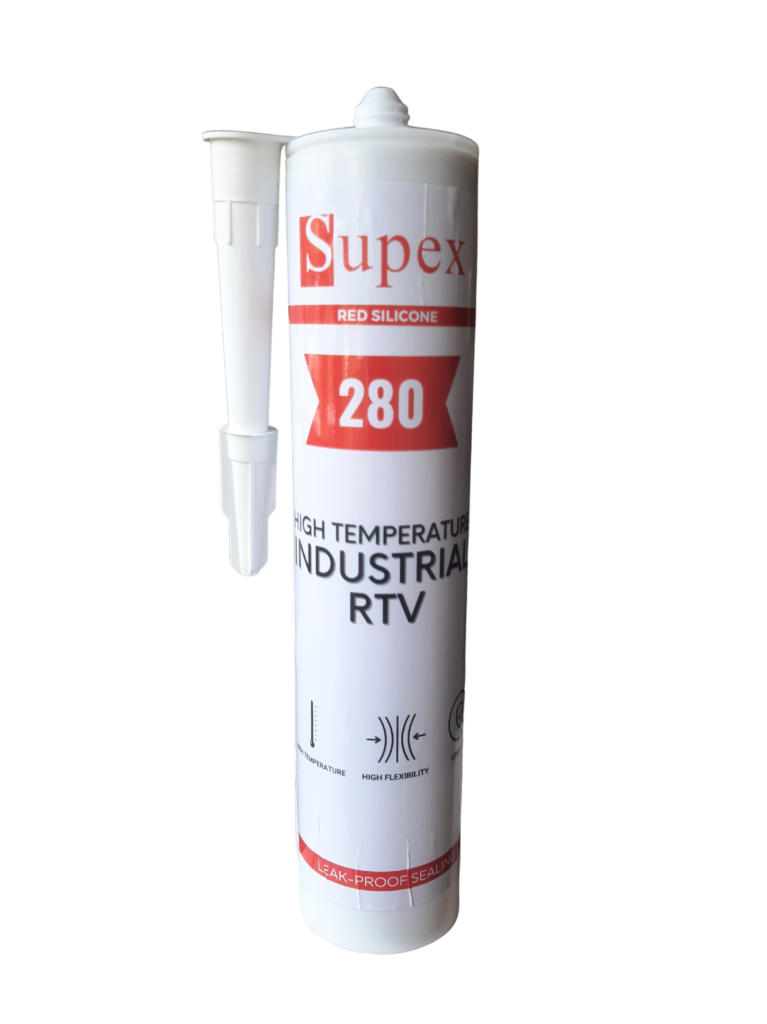
High Temperature silicone sealant
These Sealants have high operating temperature capability ranging as high as 350 C.
Apart from high operating temperature capability they are characteritised by :
- Excellent adhesion or bonding strength
- Flexibility
- Resistance to chemicals, fuels
Generally,it is used for high temperature Gasketing ( flange sealing) , sealing & also bonding in Ovens.
RTV Food Grade Sealant
Food manufacturing plants , pharma units , clean rooms without a doubt have very stringent norms to adhere too.
Any chemical used in the plant which directly or indirectly comes in contact with the End product has to be ‘FDA’ approved ,ie: in other words, it is safe even if the used chemical comes in direct contact with the end product manufactured . For reason of such norms, customer insist on food grade approved sealant.
These are regular sealants used for gap filling, flange sealing, general bonding and sealaing. However, these are manufactured in the same way such that it passes FDA strict norms for incidental food contact with the chemical.
Packing: 280 , 300 ml cartridge
Colours : White/ Clear Silicone Sealant