
Best Glue for Thermocol: How to Choose and Apply It
The best glue for thermocol depends on what you want to bond.
For small crafts: Use a water-based PVA glue that is suitable for polystyrene foam.
For thermocol sheets: Choose an adhesive specifically designed for EPS bonding.
For thermocol and wood: Use a compatible PUR adhesive.
For thermocol and insulation panels: Choose an adhesive approved for both materials.
For decorative fixing: Use a construction adhesive only if its technical data confirms polystyrene compatibility.
For industrial thermocol bonding, Supex 7150 PUR Adhesive is an option worth considering. It is designed for EPS, wood and suitable insulation materials.
Choosing the best glue for thermocol helps you create strong bonds without melting or damaging the foam. Whether you are making decorative items, assembling packaging, or manufacturing insulation panels, the right adhesive can improve bond strength, reduce waste, and save time.
But not every glue works well with thermocol. Some adhesives contain solvents that can damage the foam, while others may take too long to set or may not provide enough strength for heavy-duty applications.
In this guide, you will learn how to choose the right thermocol adhesive, compare common glue types, and apply the adhesive for better results.
What Is Thermocol Glue?
Thermocol, also known as expanded polystyrene (EPS), is a lightweight foam used in packaging, insulation, crafts, and construction.
Supex PUR glue is an adhesive designed to bond EPS foam to itself or other materials. The right product should provide a reliable bond without damaging the foam surface.
Before choosing an adhesive, consider three key factors:
Foam safety: The adhesive should be compatible with thermocol and should not melt or weaken it.
Bond strength: Choose a glue that suits the weight and purpose of your project.
Setting time: Faster-setting adhesives can help reduce waiting time, especially in production environments.
Which Is the Best Glue for Thermocol?
The best glue depends on your application. For small crafts, a simple water-based glue may be enough. For industrial bonding, insulation panels, or thermocol joined to other materials, a specialised adhesive may offer better performance.
For industrial and multi-material applications, Supex 7150 PUR Adhesive is one option to consider. It is a single-component polyurethane adhesive designed for bonding thermocol, wood, and insulation materials.
Its suitability depends on the materials being joined, the application method, and the required curing conditions. Always check the product’s technical data and test it on a small area before full application.
Best Adhesive for Different Materials
Not every adhesive works with every surface. The right choice depends on both materials being joined.
| Material combination | Adhesive to consider | Important point |
|---|---|---|
| Thermocol to thermocol | EPS-compatible PVA or PUR | Check foam compatibility |
| Thermocol to wood | EPS-compatible PUR | Confirm compatibility with both surfaces |
| Thermocol to concrete | EPS-rated insulation adhesive | Check suitability for masonry |
| Thermocol to metal | Tested EPS-compatible PUR | Test adhesion on the metal surface |
| Thermocol to paper | Water-based PVA | Suitable for lightweight projects |
| Thermocol to plastic | Adhesive approved for both plastics | Identify the exact plastic type |
| Thermocol to insulation board | EPS-compatible panel adhesive | Check the insulation material |
Important: These are adhesive selection guidelines, not universal product approvals.
Which Glues Should You Avoid on Thermocol?
Some adhesives can damage thermocol because EPS is sensitive to certain solvents.
Avoid using the following without confirmed EPS compatibility:
Solvent-based contact adhesives: Some formulations can dissolve or damage polystyrene.
Paint thinners and solvent-based products: These may attack the foam structure.
Unverified superglues: Different formulations have different compatibility.
High-temperature hot glue: Excessive heat can deform thin thermocol sheets.
General-purpose construction adhesives: Not every construction adhesive is suitable for EPS.
Never assume that a product is thermocol-safe just because it is labelled as a multipurpose adhesive.
Look for an explicit EPS or polystyrene compatibility statement. When in doubt, test a small sample first.
Why Choose Supex 7150 PUR Adhesive for Thermocol?
For industrial thermocol bonding, Supex 7150 PUR Adhesive offers several features worth considering.
1. Strong, Reliable Bonding
The adhesive is designed to bond thermocol and other suitable materials. This makes it worth evaluating for insulation panels, packaging assemblies, and fabrication work where bond durability matters.
2. Single-Component Formula
Supex 7150 is a one-component adhesive. It does not require the mixing of separate adhesive components, helping simplify preparation and application.
3. Multiple Material Applications
In addition to thermocol, the product is intended for applications involving materials such as wood and insulation substrates. Confirm compatibility with every material in your assembly before use.
4. Support for Production Workflows
A suitable industrial adhesive can help reduce assembly delays and improve workflow consistency. Actual production speed depends on application conditions, substrate properties, and the required bond strength.
5. Moisture Resistance
It provides strong misture resistance.
Explore the product: Supex 7150 PUR Adhesive for Thermocol and Wood Bonding
Get High-Strength Thermocol glue at best price


Consumption, usage cost per unit area
- Cost per Square metre
Consumption of Supex 7150 is approx 125-150 GSM ( 125 gms per square merte). Considering average price: cost per Square feet is Approx Rs. 6.5.
2. Adhesive consumption: 125-150 GSM
3. Bond Strength: Very high- thermcol will tear away.
4. Life of bond: Long life, same as life of thermocol, EPS.
5. labour saving: High, because of quick bonding.
6. Production Speed: High.
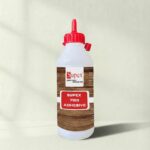
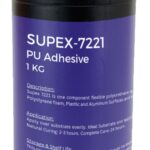
Industrial Applications of Thermocol Adhesive
Supex 7150/ Supex 7221 is widely used across industries where strong bonding of thermocol (EPS sheets) is required. Its versatility makes it suitable for both manufacturing and construction applications.
Packaging Industry
In the packaging sector, Supex 7150/ Supex 7221 is used to bond EPS components used for protective packaging. It helps secure delicate products such as electronics, appliances, and fragile goods during transport.
Insulation Panel Manufacturing
EPS adhesive is commonly used to bond thermocol sheets in insulation panels for cold storage units, buildings, and refrigeration systems. Strong bonding ensures long-term thermal performance.
Furniture and Interior Industry
Supex 7150 is used in furniture manufacturing to bond thermocol with plywood, laminates, and decorative panels. This helps create lightweight and durable furniture components.
Construction and Building Projects
In construction, thermocol bonder is used for fixing insulation boards, wall panels, and decorative moldings. It supports energy-efficient building systems and interior installations.
Decorative and Fabrication Work
Thermocol bonder is widely used in decorative fabrication, signage, exhibition displays, and architectural models where lightweight materials are required.
Supex 7221 PUR Adhesive
- one part adhesive
- quick drying
- easy to use, high strength
- bonds rockwool, honeycomb,foam,metal, wood, plastics, FRP etc
1 Part Supex 7150 thermocol/EPS bonding adhesive
- 1 part adhesive
- automatic application possible, no manual labour reqd.
- Lower cost adhesive
- high strength adhesive
- bonds metal, plastics, wood, composite, frp, foam,
How to Apply Thermocol Adhesive (Step-by-Step)
Applying Supex 7150 correctly ensures strong bonding and long-lasting performance. Follow these simple steps for best results.
Step 1: Clean the Surfaces
Make sure the thermocol and bonding surface are clean, dry, and free from dust, oil, or moisture. Clean surfaces help the Supex 7150 bond more effectively.
Step 2: Apply the Adhesive Evenly
Apply a thin and uniform layer of thermocol glue on one surface using a brush, roller, or applicator. Avoid applying too much adhesive, as excess glue can reduce bonding strength.
Step 3: Join the Surfaces
Carefully place the thermocol sheet onto the surface and align it properly. Press the surfaces together firmly to ensure full contact.
Step 4: Apply Pressure
Hold or press the bonded surfaces for a few minutes. In industrial applications, clamps or weights can be used to maintain pressure.
Step 5: Allow Proper Curing Time
Let the glue adhesive cure for 10-20 minutes depending on weather. Avoid moving the bonded parts until the adhesive has fully set.
Common Mistakes to Avoid
Avoid these common problems when working with thermocol:
Using an untested solvent-based glue: Some solvents can dissolve or deform polystyrene foam.
Applying too much adhesive: Excess glue can create mess and may affect the joint.
Skipping surface preparation: Dust and grease can reduce adhesion.
Ignoring curing instructions: Moving parts too early can weaken the finished bond.
Choosing glue based only on price: A low-cost product may not meet your strength or durability requirements.
Skipping a compatibility test: Different foam grades and bonding surfaces can produce different results.
FAQ- Best glue for thermocol
1. Which glue is best for thermocol?
The best glue depends on the application. PVA glue may suit light crafts, while a compatible PUR adhesive may be more appropriate for industrial bonding. Supex 7150 PUR Adhesive is one option for thermocol and other suitable substrates.
2. Can I use Fevicol or white glue on thermocol?
Some PVA-based white glues can work for lightweight craft projects. However, drying time and bond strength vary by product and application. Check the manufacturer’s instructions before use.
3. Can ordinary super glue be used on thermocol?
Not all super glues are suitable for thermocol. Some formulations may damage the foam or produce an unsuitable bond. Check the product label and test compatibility on a spare piece first.
4. Why does some glue melt thermocol?
Certain adhesives contain solvents that attack polystyrene. These solvents can cause the foam to soften, shrink, or dissolve. Choose an adhesive specifically confirmed as compatible with EPS.
5. How long does thermocol glue take to dry?
Drying and curing times vary by adhesive type, temperature, humidity, and substrate. Follow the manufacturer’s instructions rather than relying on a fixed time for every product.
6. Can thermocol be bonded to wood or metal?
Yes, provided the adhesive is compatible with both materials. For industrial applications, choose a product designed for the specific combination of substrates and test the finished joint.
7. Is PUR adhesive suitable for thermocol sheets?
Some PUR adhesives are designed for thermocol and insulation applications. Check the product specifications, application requirements, and foam compatibility before use.
8. Where can I find a suitable adhesive for industrial thermocol bonding?
You can review Supex 7150 PUR Adhesive for information about its applications, features, and technical specifications.
Choose the Right Glue for Better Thermocol Bonding
The best glue for thermocol should match your material, required bond strength, working conditions, and project budget. For crafts, a simple compatible adhesive may be sufficient. For industrial bonding, a specialised product can offer a more suitable solution.
If you need an adhesive for thermocol sheets, insulation materials, or multi-material assemblies, explore Supex 7150 PUR Adhesive to review its features and intended applications.
Choose the right adhesive, follow the application instructions, and test the bond before moving to full-scale production.
One Response
Thermocol sheet fixing on concrete roof for sealing inside room to protect roof heat