
Structural Adhesives
High-performance structural adhesives for metals, plastics, and composites — 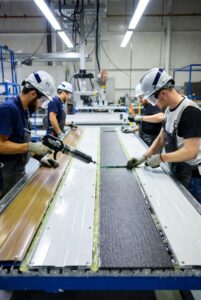
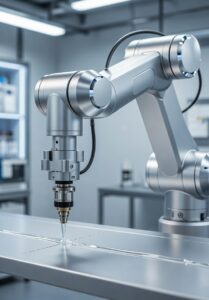
replacing welding, rivets, and bolts with lighter, stronger, smarter bonds.
What are Structural Adhesives?
MMA stands for Methyl Methacrylate Adhesive. It is a strong two-part glue. You mix the resin and activator together. This starts a fast reaction at room temperature. It quickly forms a tough, durable bond. MMA sticks metal, plastic (even tricky ones like polypropylene), composites, and different materials well. It often replaces welding, rivets, or screws.
Comparison of Structural Adhesives: MMA vs. Epoxy vs. Polyurethane (PU)
Here’s a clear comparison table based on typical properties of these structural adhesives (values are general ranges; actual performance varies by formulation, e.g., Supex 3G MMA excels in balanced toughness).
| Property | MMA (Methyl Methacrylate) | Epoxy | Polyurethane (PU) |
|---|---|---|---|
| Cure Speed | Fast (snap cure, minutes to hours) | Medium to slow (hours to days) | Medium (hours) |
| Shear Strength | High (20–30+ MPa) | Very high (highest, 25–40+ MPa) | Medium to high (15–25 MPa) |
| Peel/Impact Resistance | Excellent (tough, rubber-toughened) | Good to moderate (can be brittle) | Excellent (very flexible) |
| Flexibility/Elongation | Medium-high (good toughness) | Low (rigid, 2–10%) | High (100–300%+, elastic) |
| Surface Preparation | Minimal (bonds oily/contaminated surfaces) | Requires thorough cleaning/abrasion | Moderate |
| Gap Filling | Excellent (handles larger gaps) | Moderate | Good |
| Bond to Dissimilar Materials | Excellent (metals, plastics incl. low-energy like PP, composites) | Good (strong on metals/concrete, weaker on some plastics) | Very good (plastics, rubbers, woods) |
| Heat Resistance | Good (up to ~120–150°C typical) | Excellent (up to 200°C+) | Moderate (lower, softens at high temps) |
| Chemical Resistance | Good | Excellent | Moderate to good (strong humidity resistance) |
| Best For | Dynamic loads, vibration, impact, mixed substrates, fast production (e.g., automotive, EV, marine in India) | Static high-strength, high-temp/chemical environments | Flexible joints, vibration damping, large surfaces |
| Drawbacks | Slightly lower max heat/chemical vs. epoxy | Brittle under impact, needs prep | Lower shear strength, temp limits |
Summary:
- Choose MMA for the best balance: fast, tough, versatile, minimal prep—ideal for Supex applications replacing welding/rivets in India’s manufacturing.
- Epoxy wins for ultimate strength and durability in harsh conditions.
- PU excels when extreme flexibility/moisture tolerance is key.
Typical Applications of MMA Structural Adhesives in India
MMA structural adhesives are popular in India for fast, tough, primer-free bonding of metals, plastics, composites, and dissimilar materials—replacing welding/rivets in demanding environments.
- Automotive Manufacturing Bonding body panels, brackets, bumpers, chassis components, and lightweight structures in passenger cars, trucks, and two-wheelers (key hubs: Pune, Chennai, Gujarat).
- Electric Vehicles (EVs) Structural assembly of battery packs, modules, housings, bus bars, and thermal management parts. Provides vibration/impact resistance for India’s rapidly growing EV sector.
- Marine & Boat Building Joining hulls, decks, bulkheads, fittings, and fiberglass/composite parts in fishing boats, yachts, and marine repairs along coastal areas (Mumbai, Kerala, Tamil Nadu).
- Construction & Infrastructure Assembling sandwich panels, facades, metal frames, signage, railings, and composite elements in buildings, bridges, and industrial projects (urban centers like Mumbai, Delhi-NCR, Ahmedabad).
- Wind Energy Bonding turbine blades, nacelles, and composite structures. Offers high fatigue and impact resistance for India’s expanding renewable energy installations.
- Heavy Machinery & Equipment Assembly and repair of industrial machinery, agricultural equipment, rail/transit components, and metal-plastic joins in manufacturing plants.
- Signage & Display Bonding large-format signs, acrylic/metal composites, and outdoor displays—durable against weather and vibration.
When Bonding Becomes Part of the Structure
SUPEX structural adhesives are engineered for load-bearing applications where joints must endure continuous stress, vibration, and extreme temperatures. Our 3rd Generation MMA adhesives don’t just stick parts together — they become part of the structure.
Key Performance Icons:
High shear strength
Excellent impact resistance
Wide temperature tolerance
Long-term durability
Benefits of using MMA adhesives.
Engineering Advantages That Drive Competitive Manufacturing with supex structural high performance adhesives.
- Structural load-bearing joints
- Lightweight product design
- Reduced part count
- Faster assembly
- Improved product quality
- Lower total cost
Supex High performance adhesives uses
Supex Structural adhesives are used in heavy duty applications across industries including..
- Transportation
- Marine & Shipbuilding
- Construction & Facades
- Wind Energy
- Agricultural Machinery
- Recreational Vehicles
- Electronics
- Aerospace & Defense
- Solid Surface & Stone
Complete Bonding Solutions
More Than Adhesives — Total Process Support
- Adhesion-promoting primers
- Dispensing guns & static mixers
- Surface preparation guidance
- Joint design support
- Sample testing & trials
Ready to Upgrade Your Structural Bonding?
Why Choose SUPEX
3rd Generation MMA technology
Automotive-grade metal bonding standards
Excellent low-temperature impact resistance
Broad substrate adhesion
Stable storage and color consistency
Competitive pricing
FAQs Structural Adhesives
Are Supex MMA suitable for high-vibration EV applications?
Yes, Supex MMA structural adhesives are highly suitable for high-vibration EV applications.
Supex MMA (e.g., M419, GP0416, 3090) excel in dynamic loads, vibration, impact, and fatigue resistance. They provide tough, flexible bonds that absorb shocks and cyclic stresses—ideal for EV battery packs, modules, housings, bus bars, and chassis components in India’s growing EV sector.
Engineered for continuous vibration and extreme conditions, they outperform rigid alternatives in load-bearing joints, offering excellent peel/impact strength and durability under road/operational vibrations.
How fast do Supex MMA adhesives cure?
Supex MMA structural adhesives cure very quickly at room temperature via exothermic reaction—no heat required.
Cure times vary by grade (tested around 20–25°C in Mumbai’s typical conditions):
- Supex M419: Working time 4–6 minutes; fixture time 17–19 minutes; handling strength in 20–25 minutes.
- Supex GP0416 Working time 8–12 minutes (or 4–6 minutes in some specs); fixture time 14–16 minutes; rapid “snap cure” to handling strength.
- Supex 3090 / general MMA: Longer working time 30–40 minutes; fixture time 90–100 minutes.
Higher temperatures speed curing; larger volumes or gaps may affect it. Full strength develops over hours (often 24h for max properties). Always check the specific product’s TDS on supex.in or contact Supex (+91 9699892782) for your grade/application. These fast cures make them ideal for high-speed EV/automotive assembly in India.