
What is a Metal to Metal Adhesive?
A metal to metal adhesive is a high-strength bonding solution used to join metal surfaces without welding or fasteners. It creates durable structural bonds between metals such as steel, aluminum, and stainless steel. Modern metal bonding adhesives, including MMA structural adhesives, offer excellent strength, vibration resistance, and long-term durability for industrial applications.
Benefits of Using Metal Bonding Adhesive
Using a structural metal adhesive offers many advantages over traditional methods like welding, brazing, and mechanical fastening. Modern metal bonding adhesives, especially MMA structural adhesives, provide strong performance while improving efficiency and lowering costs.
1. High Strength Bonding
A quality industrial metal adhesive creates strong bonds that handle heavy loads, vibration, and impact. These bonds remain reliable even in demanding industrial conditions.
2. No Welding Required
Structural Metal adhesives remove the need for welding or drilling. This helps prevent heat distortion and protects metal surfaces from damage.
3. Even Stress Distribution
A structural metal adhesive spreads stress evenly across the surface. This reduces fatigue and increases the lifespan of bonded parts.
4. Bonds Multiple Metals
Industrial metal adhesives can join different metals such as:
- Stainless steel
- Mild steel
- Aluminum
- Copper
- Galvanized metals
This makes them suitable for complex assemblies.
5. Corrosion Resistance
Many steel bonding adhesives resist moisture, chemicals, and oils. This helps protect bonded joints from corrosion and wear.
6. Faster Assembly
Using a metal to metal adhesive speeds up assembly and reduces labor time. It also removes the need for special welding equipment.
7. Clean and Professional Finish
Metal adhesives create smooth joints without visible fasteners or weld marks, improving the final appearance.
8. Vibration Resistance
Structural metal adhesive systems absorb vibration and shock, making them ideal for automotive and machinery applications.
Applications of Structural Metal Adhesive
Industrial metal adhesive is widely used across industries where strong, reliable bonding is required. These adhesives help improve durability, reduce weight, and simplify assembly processes.
1. Automotive Industry
MMA or MS adhesive is commonly used in vehicle manufacturing to bond metal panels, frames, and structural components. It improves vibration resistance and reduces the need for welding.
2. Construction and Infrastructure
Metal bonding adhesives are used to join metal structures, panels, and supports in construction projects. They provide strong joints without causing heat damage to materials.
3. Industrial Machinery
Many manufacturers use MMA or MS adhesive to assemble heavy machinery and equipment. The adhesive helps handle vibration, load stress, and long-term use.
4. Marine Applications
Metal bonding adhesives are ideal for marine environments where moisture resistance is important. They are used to bond metal parts exposed to water and harsh conditions.
5. Electrical and Electronics
MMA structural glue is used in electrical enclosures, panels, and components where precise bonding and durability are required.
6. Metal Fabrication
Fabricators use metal bonding adhesives to join sheet metal, brackets, and frames. This method improves production speed and reduces finishing work.
7. HVAC and Appliance Manufacturing
Metal bonding adhesives are used in HVAC systems and appliances to assemble metal housings, ducts, and structural parts.
Metal Adhesive vs Welding
Both adhesives for steel bonding and welding are widely used for joining metal parts. However, metal bonding adhesives offer several advantages in terms of efficiency, flexibility, and surface protection.
Comparison: Metal Adhesive vs Welding
| Feature | Metal to Metal Adhesive | Welding |
|---|---|---|
| Heat Required | No heat needed | High heat required |
| Surface Damage | No distortion | Possible warping or damage |
| Stress Distribution | Even across surface | Concentrated at weld point |
| Corrosion Risk | Lower risk | Higher if not treated |
| Appearance | Clean finish | Visible weld marks |
| Assembly Time | Faster setup | Longer preparation |
| Equipment Needed | Minimal tools | Specialized welding equipment |
When to Use MMA structural adhesives
Supex structural glue is ideal when:
- Heat-sensitive materials are used
- A clean and smooth finish is required
- Different types of metals need bonding
- Fast assembly is important
- Vibration resistance is needed
When Welding May Be Preferred
Welding may be suitable when:
- Extremely high-temperature resistance is required
- Very thick metal sections must be joined
- Permanent heavy structural joints are needed
Looking for metal bonding adhesive in India
How to Use Industrial Metal Adhesive
Using industrial metal adhesive correctly ensures strong bonding and long-lasting performance. Proper surface preparation and application are key to achieving reliable results.
1. Prepare the Metal Surface
Clean the metal surfaces to remove oil, grease, dust, and rust. A clean surface improves the bonding strength of the metal to metal adhesive.
2. Roughen the Surface (If Required)
Lightly roughen the bonding area using sandpaper or abrasion. This helps the metal bonding adhesive grip the surface more effectively.
3. Apply the Adhesive
Apply the metal to metal adhesive evenly to one or both metal surfaces. Ensure full coverage of the bonding area.
4. Join the Metal Parts
Press the metal components together firmly. Make sure the parts are correctly aligned before the adhesive begins to cure.
5. Allow Proper Curing Time
Leave the bonded parts undisturbed until the adhesive fully cures. Follow the recommended curing time for maximum strength.
6. Inspect the Bond
After curing, check the bonded joint to ensure proper adhesion and alignment before using the component.
FAQs About Metal to Metal Adhesive
1. What is the best adhesive for steel bonding?
The best metal adhesive depends on the application and materials used. Structural adhesives such as MMA (Methyl Methacrylate) adhesives are widely preferred for industrial bonding because they provide high strength, vibration resistance, and long-term durability.
2. Can metal adhesive replace welding?
Yes, in many applications, industrial metal adhesive can replace welding. Adhesives eliminate heat distortion, reduce surface damage, and provide uniform stress distribution. They are especially useful for thin metals and mixed-metal bonding.
3. How strong is structural metal adhesive?
A high-quality structural metal adhesive can create very strong structural bonds capable of handling heavy loads, vibration, and impact. Many industrial metal bonding adhesives are designed to perform reliably under demanding conditions.
4. What metals can be bonded using metal adhesive?
Metal bonding adhesives can join many types of metals, including:
Stainless steel
Mild steel
Aluminum
Copper
Galvanized metals
Metal alloys
This makes metal adhesive solutions suitable for a wide range of industrial uses.
5. Is surface preparation necessary before applying metal adhesive?
Yes, proper surface preparation is important when using a structural metal adhesive. Cleaning and lightly roughening the surface helps improve adhesion strength and ensures long-lasting bonding performance.
6. How long does structural metal adhesive take to cure?
Curing time depends on the type of steel bonding adhesive is used. Some fast-setting adhesives cure within minutes, while structural adhesives may require several hours to achieve full strength.
7. Is steel bonding adhesive resistant to vibration?
Yes, most structural metal adhesive systems are designed to absorb vibration and shock. This makes them suitable for automotive, machinery, and industrial equipment applications.
MS adhesive applications in transportation indutry
MS polymer adhesives and sealants are suitable for train, truck and bus assembly. The most common applications include:
- Bodywork assembly: Meal bonding adhesive offer a strong and easy to apply system for bonding bus frames, truck cabins and body structures of trains.
- Sealing and bonding windows: sealing and bonding vehicle windows and windshields. The flexibility of MS polymer adhesives and sealants guarantee high performance on windows and windshields of vehicles.
- Sealing floors, roofs and interior and exterior panels: MS sealants are also used for sealing floors, roofs and side panels of vehicles. Their flexibility allows for high performance, whereas the minimum surface preparation and ability to bond dissimilar materials guarantee assembly efficiency.
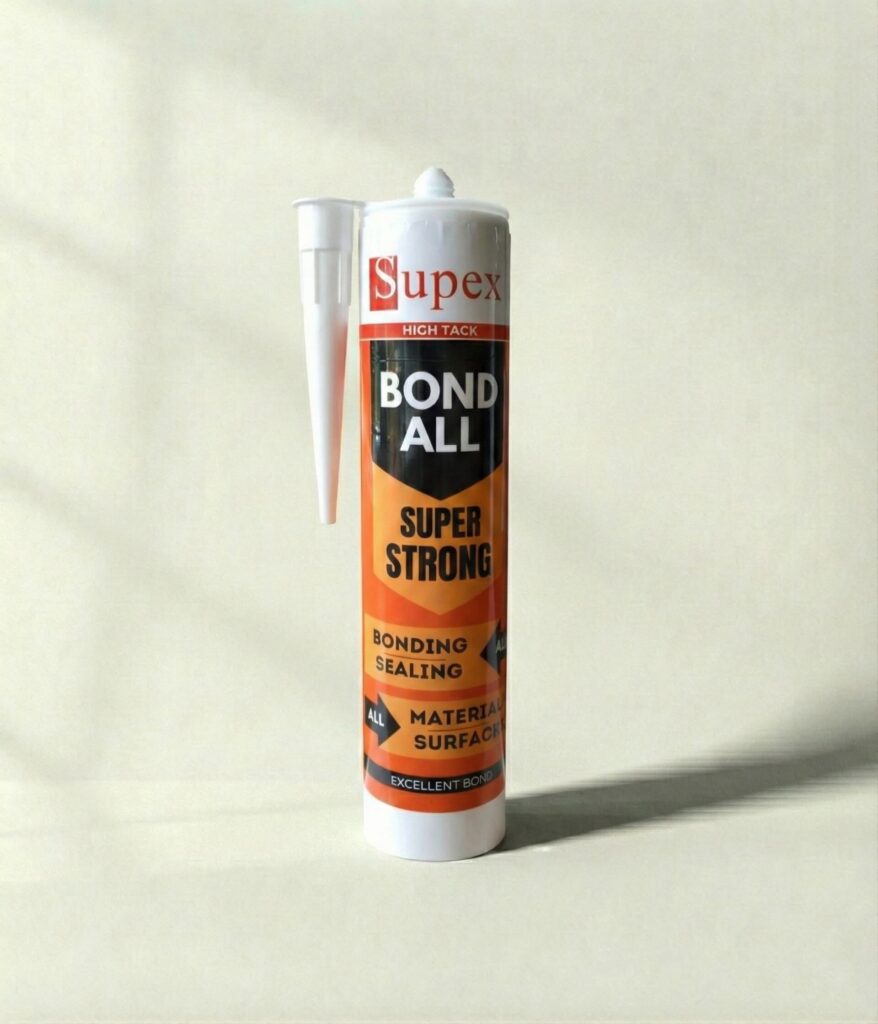
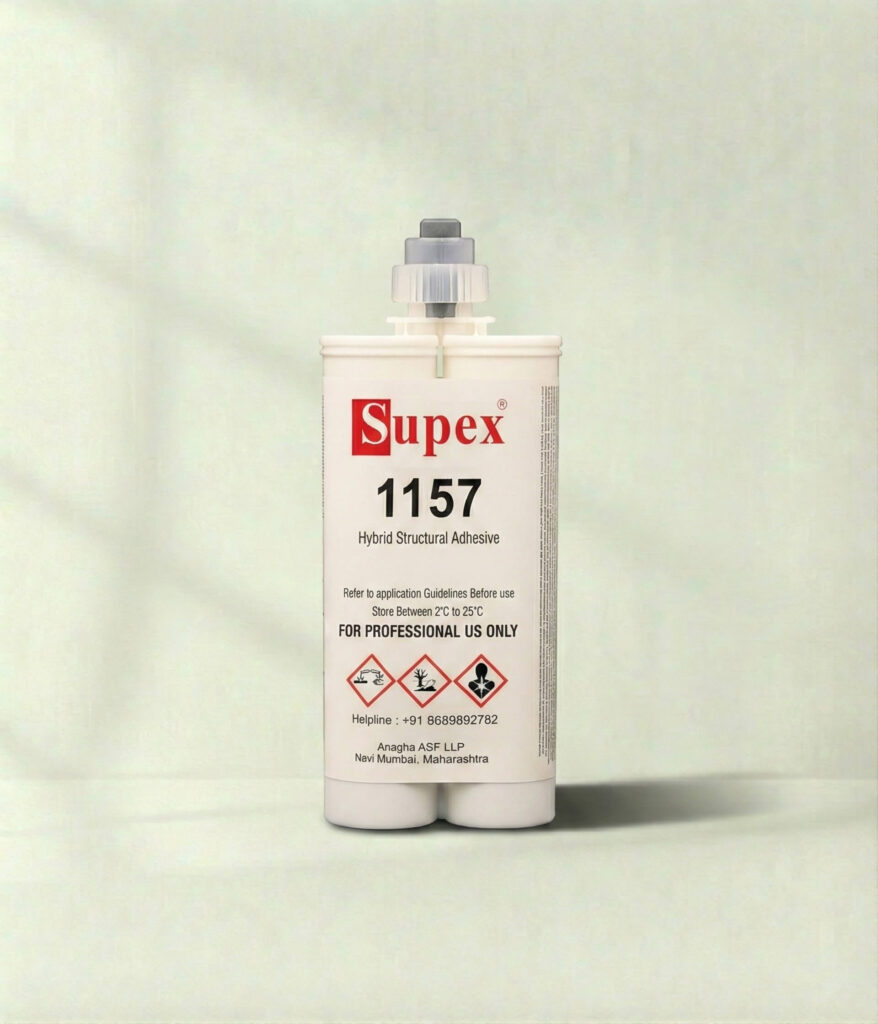
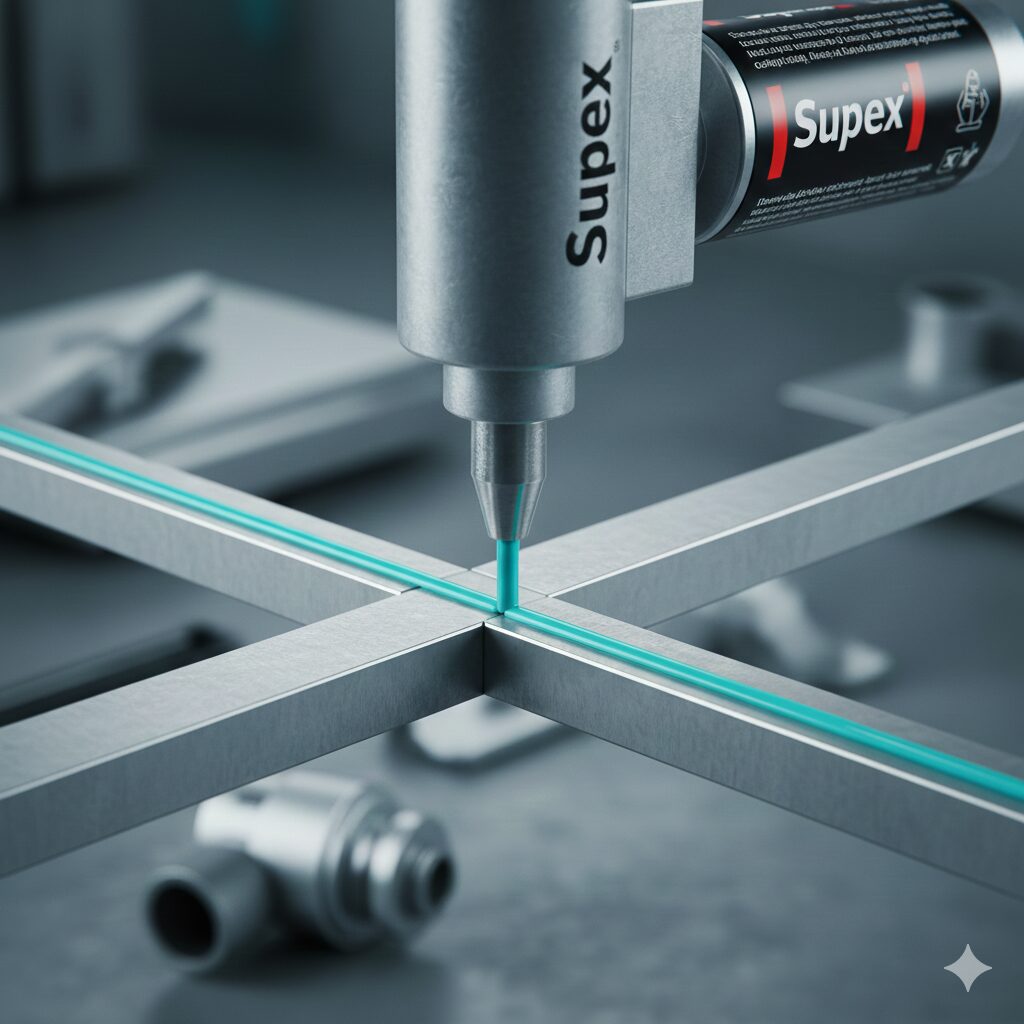
Metal Bonding Adhesive: 2 Part MMA Structural Glue
Two-part MMA (Methyl Methacrylate) adhesives offer major advantages for metal bonding:
- Exceptional strength – High tensile, shear, peel, and impact resistance for durable, structural metal joints.
- Minimal surface prep – Bonds well even on oily or lightly contaminated metals, saving time and effort.
- Fast cure – Quick fixture (10–30 minutes) and full strength at room temperature, boosting production speed.
- Versatile bonding – Joins dissimilar materials (metal-to-plastic, metal-to-composite) without stress or failure.
- Good flexibility – High elongation absorbs vibration, shock, and thermal expansion differences.
- Gap-filling ability – Fills larger gaps effectively while maintaining strong performance.
- Environmental resistance – Excellent weather, UV, chemical, and temperature resistance for long-term reliability.
- Aesthetic & lightweight – Replaces welding/rivets with clean, corrosion-free, evenly stressed joints.
In short, two-part MMA adhesives deliver fast, strong, and forgiving metal bonding with less preparation and superior performance on mixed substrates—ideal for automotive, marine, aerospace, and industrial applications.
2 Responses
Send more details
Sending details by mail