Epoxy Adhesives: High-Strength Potting, Encapsulation & Structural Bonding SolutionsÂ
What Are Epoxy Adhesives? Types & How They Work
Epoxy adhesives bond powerfully when you mix resin and hardener. This chemical reaction quickly forms a tough, durable solid with outstanding strength. Common types include standard 2K epoxies for everyday use, low-exotherm versions for electronics potting, and high-strength structural grades for metals and composites. They deliver excellent adhesion, heat resistance, and chemical protection.
How to Select the Right Epoxy Adhesive in India
- Identify your substrates (e.g., metals, plastics, composites, PCBs) and dissimilar materials if any.
- Determine the application type: potting/encapsulation, structural bonding, or coating.
- Assess performance requirements: bond strength, temperature range (-40°C to +150°C typical for Supex), chemical & moisture resistance.
- Check thermal needs: select low-exotherm grades for heat-sensitive electronics or EVs.
- Evaluate cure characteristics: pot life, working time, and full cure speed.
- Consider viscosity: low for deep potting, higher for gap-filling or vertical bonding.
- Review environmental exposure: humidity, chemicals, UV, vibration.
- Explore Supex customizable 2K options and request samples for testing.
- Match the best product to ensure long-term durability and reliability.
Â
Applications of Epoxy Adhesives in IndiaÂ
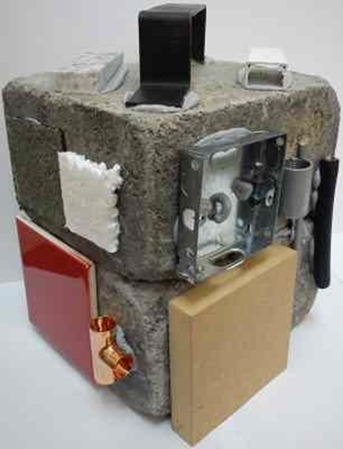
Epoxy adhesives drive reliability in India’s key sectors with strong, durable bonding and protection. Supex 2K epoxies shine in potting, encapsulation, and structural uses—customizable, low-exotherm, and REACH-compliant.
- Electronics & Electrical Manufacturing Potting and encapsulation safeguard PCBs, sensors, transformers, coils, capacitors, and relays against moisture, dust, vibration, and thermal stress. Ideal for high-volume production in hubs like Mumbai, Pune, Bengaluru, and Noida.

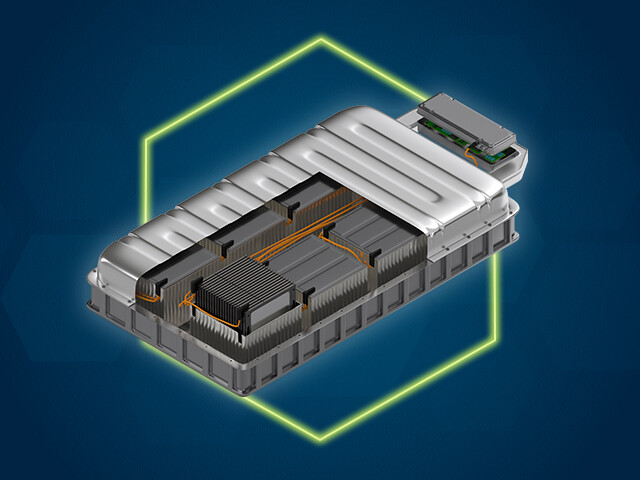
- Electric Vehicles (EVs) Structural bonding assembles battery packs, motor housings, bus bars, and thermal modules. Provides electrical insulation, vibration resistance, and high-strength joins—critical for India’s fast-growing EV industry (two-wheelers, cars, commercial vehicles).
- Construction & Infrastructure Bonds concrete, steel rebar, grout, and heavy structures for repairs, anchoring, and reinforcement. Offers non-shrink, high-strength fixes for floors, walls, bridges, and industrial plants—widely used in urban development across Maharashtra, Gujarat, and beyond.
- Automotive & Transportation Supports component assembly, sensor potting, and vibration-damping bonds in vehicles, including EVs and traditional manufacturing.
- Other Industrial & Specialized Uses Protects solar panels in renewables, repairs marine equipment, seals oil & gas tools, and enables liquid marble/stone bonding for decorative applications.
1. Best Epoxy Adhesives for Electronics Potting & Encapsulation
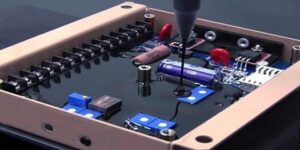
 You need to protect electronics from moisture, dust, and shocks. Our 2K hybrid epoxy adhesives do this perfectly. They come in white, black, grey, or clear. They cure at room temperature. Hardness stays Shore D 50–60. Flow is smooth, stress is low, and air bubbles stay away.
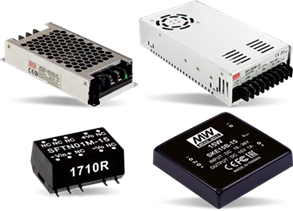
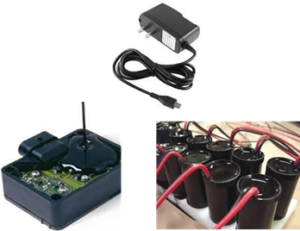
For delicate coils, choose softer versions (Shore D 40–50). For heat-heavy parts, pick thermal conductive adhesives (0.6–1.1 W/mK). These work great on sensors, coils, chargers, transformers, and small devices. Â
Low Exotherm, Low stress Potting
- Potting & coating of delicate electronics parts

- Protection of parts from moisture, dust & impact
- Chemistry – 2K Epoxy Hybrid
- Available in White, Black & Grey color
- Curing: Ambient
- Hardness: Shore D 50 to 60
- Temp range: -40 + 150 ºC
- Excellent electrical properties
 Key features
- Non Abrasive safe to machine

- Excellent flow, cover narrow gaps
- Long pot life
- No air entrapment
- Low stress
- Low exotherm, Max 50 C
- Reliable & Durable bonding
Â
Â
Marget Segments: Potting & Encapsulation
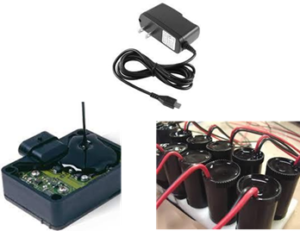
General Electronic : Small devices, Transformers, Chargers, Sensors, Coils Capacitors.
Auto Electronics: Sensor potting, Coil potting, Sealed relays, Thermal conductive potting, Thermal structural bonding
2. Sensor Protection
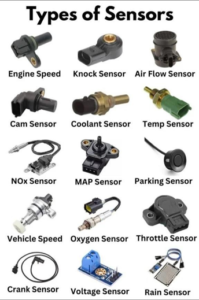
- Potting & Sealing of sensors
- Protection of sensors from water, dust, impact
- Chemistry – Epoxy Hybrid
- Available in Clear, White, Black & Grey
- Curing: Ambient + heat / Dual
- Available in soft as well – Shore D 40 to 50
- Temp range: -40 + 150 ºC
- Excellent electrical
Â
Key features
- Easy mix ratio
- Non Abrasive
- Excellent flow
- Long pot life
- No air entrapment
- Low stress potting
- Reliable & Durable bonding
          Â
               Â
3. Marget Segment: Encapsulation & BondingÂ
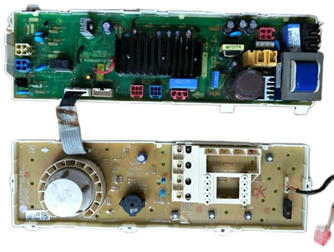
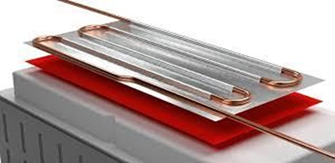
Consumer electronics Washing machine motherboard Refrigerator evaporator coils
Electrical vehicles: EV Battery, EV Motors control, Thermal conductive potting Thermal structural bonding


4. Market Segment: Structural bondingÂ
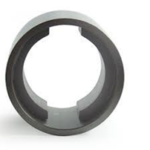
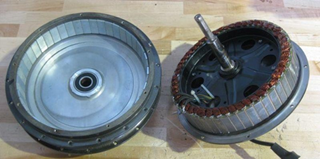
Motor magnet bonding
EV Motor magnet bonding
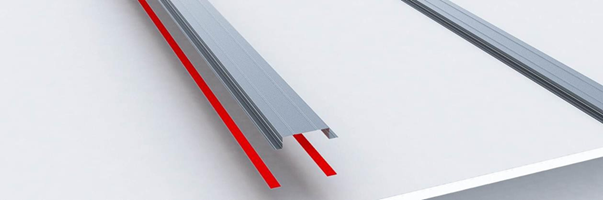
Furniture stiffener bonding


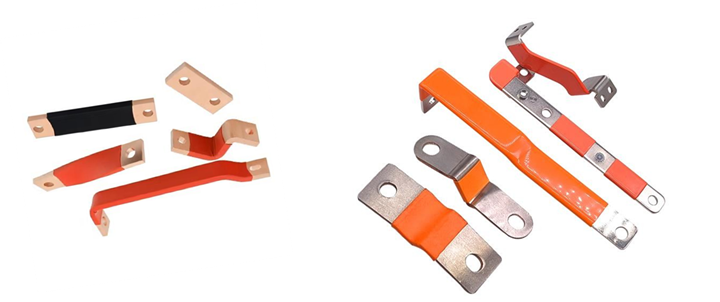
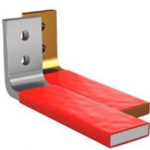
5. Bus Bar coating Adhesive
- Excellent insulating properties
- Available in Red, Blue & Black color
- Customized color option available
- Chemistry – 2K Hybrid Epoxy
- Easy mix ratio – 2 : 1
- Excellent spreading & Non sag
- Easy to apply with brush or Roller
Â
Cured/ coated adhesive is
- Tough & Durable
- Resistant to moisture & many chemicals
- Impact & mechanical shock resistant
- Crack resistant
- Thermally stable material
- Flame retardant


6. Multipurpose High Strength Epoxy
- 2K Epoxy, Mix ratio – 100: 80
- Resistance to water and many chemicals
- Medium viscosity like Honey
- Cured adhesive is tough & crack resistant
- Excellent bonding with many substrates
- One solution many use
- Bathroom tiles bonding
- Kitchen platform bonding sealing
- Wall crack filling
- Wood bonding & crack filling
- Metal bonding

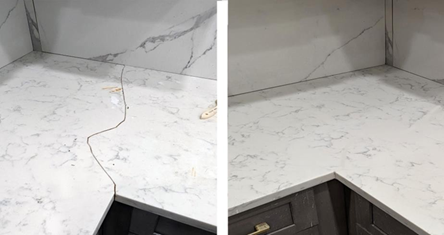
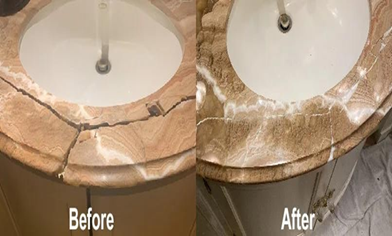
7. Liquid MarbleÂ
- Super white colour
- High strength with glossy finish
- Chemistry – Epoxy hybrid
- Resistance to water and many chemicals
- Easy mix ratio: 4 : 1
- Long pot life: 2 hrs @ 25 Cel.
- Excellent bonding with marble and stone
- Tack free: full cure 24 hrs @ Ambient temp
Â
Â
Best suitable for
- Stone bonding
- Stone repair
- Gap filling
- Crack filling
- Tile gap filling
- Precious stone repair
- Stone articles repair


FAQs
What is the difference between potting and structural epoxy?
Potting epoxy and structural epoxy are both types of epoxy resins/adhesives, but they serve very different primary purposes, formulations, and performance characteristics.
Key Differences
| Aspect | Potting Epoxy (Potting Compound) | Structural Epoxy (Adhesive) |
|---|---|---|
| Primary Purpose | Encapsulate / protect / embed electronic components (e.g., PCBs, circuits, sensors, transformers) for insulation, moisture-proofing, vibration damping, and environmental protection. | Bond / join two or more substrates (e.g., metals, composites, plastics) to create strong, load-bearing joints in structural applications. |
| Typical Viscosity | Low to medium (flowable) – designed to pour or flow easily into enclosures/housings without air pockets, filling complex shapes around delicate parts. | Medium to high/thixotropic (thick, gap-filling) – stays in place on vertical surfaces, forms fillets, and bridges gaps without sagging. |
| Mechanical Properties | Often rigid but can be formulated flexible; focus on electrical insulation, low exotherm (to avoid damaging heat-sensitive electronics), low shrinkage, and shock/vibration absorption. High dielectric strength and chemical/moisture resistance. | Extremely high shear/tensile/peel strength, toughness, and durability under load/stress. Prioritizes mechanical bonding strength over insulation. |
| Cure & Exotherm | Usually low exotherm during cure to prevent damage to embedded electronics; often room-temperature or slow cure for large volumes. | Can have higher exotherm; formulations optimized for fast or controlled cure in bonding applications. |
| Common Applications | Electronics potting/encapsulation (e.g., PCB protection, sensors in EVs, transformers, switches), cable sealing, harsh environment protection. | Structural bonding in construction, automotive/EV (e.g., metal/composite joining), aerospace, marine, machinery assembly. |
| Strength Focus | Protective/insulating strength + environmental resistance; not primarily for load-bearing. | Maximum bond strength and load-bearing capability (often highest among adhesives). |
| Examples | Supex low-exotherm potting epoxies for electronics/EV battery protection. | High-strength 2K structural epoxies for metal-to-metal or composite bonding. |
- Potting epoxy acts more like a protective “encapsulant” or “filler” – it’s poured to surround and safeguard sensitive components (think: sealing a circuit board inside a case).
- Structural epoxy acts as a true “glue” or “bonding agent” – it’s applied in thinner layers to permanently join parts that need to withstand heavy mechanical stress, impact, or vibration.
Some epoxies can overlap (e.g., a toughened potting epoxy might offer some structural properties, or a structural epoxy could be used in limited potting), but they are optimized differently. For electronics in India (like EVs or PCBs), choose potting-specific formulations for best results; for load-bearing joins, go structural.
If you’re selecting from Supex products, their potting epoxies emphasize low exotherm and electronics protection, while structural ones focus on high-strength bonding. Let me know your specific application for more tailored advice!
How long does Supex epoxy take to cure?
Supex epoxy cure times vary by product and conditions (temperature, volume, mix ratio).
- Supex 1102 Epoxy Potting Compound (common for electronics): Working time ~40 minutes (100g mix at 25°C). Full cure: 10 hours at room temperature (25°C) or accelerated to 1 hour at 80°C. Pour thick sections (>2 cm) in stages to control exotherm.
- Hybrid/structural epoxies: Often room-temperature cure with pot life up to 2 hours; full cure typically 24 hours.
- MMA-based structural adhesives (e.g., M419, M1157): Much faster—working time 4–12 minutes, handling/fixture strength in 15–25 minutes.
Always check the specific product’s TDS on supex.in for exact details, as cure slows in cooler Mumbai conditions (~25–30°C typical). Heat accelerates most epoxies safely for non-sensitive apps
Are Supex epoxies suitable for high-vibration applications?
Yes, Supex epoxies are suitable for high-vibration applications, especially in electronics, EVs, automotive, and industrial settings.
- Potting/encapsulation grades (e.g., Supex 1102): Protect components from vibration, dust, moisture, and thermal stress. They shield PCBs, sensors, transformers, and EV battery parts, providing durable encapsulation that reduces vibration damage in harsh, dynamic environments (temperature range -45°C to +120°C).
- Structural epoxies and MMA hybrids (e.g., M419, M1157, GP0416): Engineered for continuous stress, vibration, impact, and fatigue. They offer vibration absorption, shock resistance, and tough, flexible bonds—ideal for load-bearing joints in vehicles, machinery, marine, and EV assemblies where cyclic loading occurs.
Supex highlights vibration resistance in EVs (India’s growing sector), automotive, and machinery uses. Rigid potting epoxies provide mechanical stability, while toughened/hybrid grades excel at absorbing shocks without cracking.