Key factors to consider when choosing concrete sealant
Concrete sealant selection and choosing the right joint sealants can be simplified as outlined below. Consider the following factors:
Gap between the joints in millimeters
Joint flexibility based on whether it undergoes expansion and contraction
Exposure to the external environment
Sunlight – ensure the concrete sealant is UV resistant
Chemical resistance against corrosive chemicals, acids, and fuels
Temperature range the assembly must withstand
Expected service life of the joint, as sealants are sometimes used for temporary bonding
Paintability – whether the concrete sealant can be painted over
Cost or price of the product and its application
Ease of application
Types Of Concrete Joint Sealant
Concrete sealer sealing with RTV Silicones
Industrial silicone RTV is one of the most widely used concrete sealants. Moreover, it meets key performance requirements for reliable sealing. Therefore, industries such as construction, manufacturing, maintenance, and interiors use it extensively.
Key Advantages of Industrial Silicone RTV Sealants
First, it offers excellent UV and color stability. Additionally, it adheres well to various construction surfaces. Furthermore, it accommodates high movement without cracking. It also resists extreme temperatures. Finally, its high workability ensures easy application.
Silicone sealants are further classified based on their curing systems
![]()
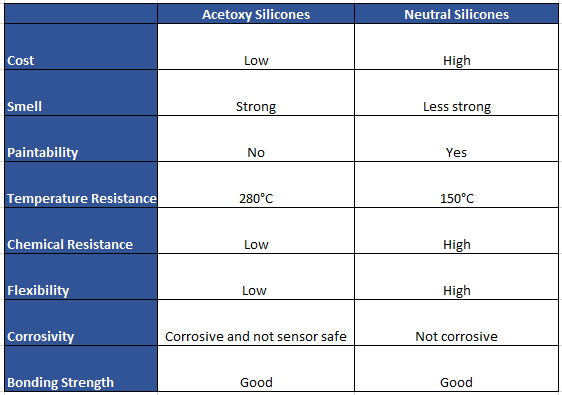
Acetoxy Silicone Sealants
Acetoxy silicone sealants are the most popular choice due to their lower cost. Therefore, many industries use them widely. However, they are not sensor-safe. Moreover, acetic acid vapors released during curing make them corrosive. They also produce a strong smell and cannot be painted over.
Common Uses: Gap filling, high-temperature sealing up to 300°C, and general-purpose bonding.
Supex Acetoxy Range:
Supex 200GP (260 ml)
Supex 280 Silicone
Available Colors for Concrete Sealing: Clear, White, Black.
Neutral Cure Silicone Sealants
Neutral silicone sealants serve technical and critical applications. In addition, they offer strong, reliable bonding without corrosion risks.
Applications: Automotive flange sealing, plant maintenance, food and pharma bonding, external window sealing, glass bonding, glazing, and weatherproofing.
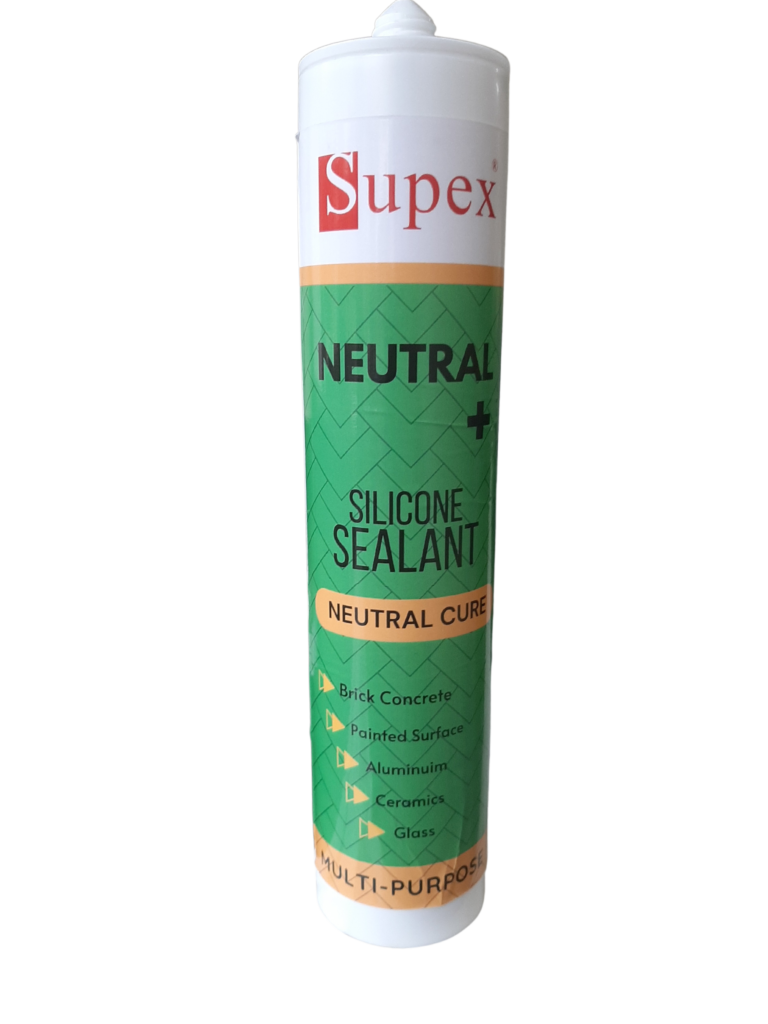
Supex Neutral Range:
Supex Neutral Plus (270 ml)
Supex WP+
Supex High-Temp RTV Flange Sealant


Polyurethane Sealants/ PU Sealants
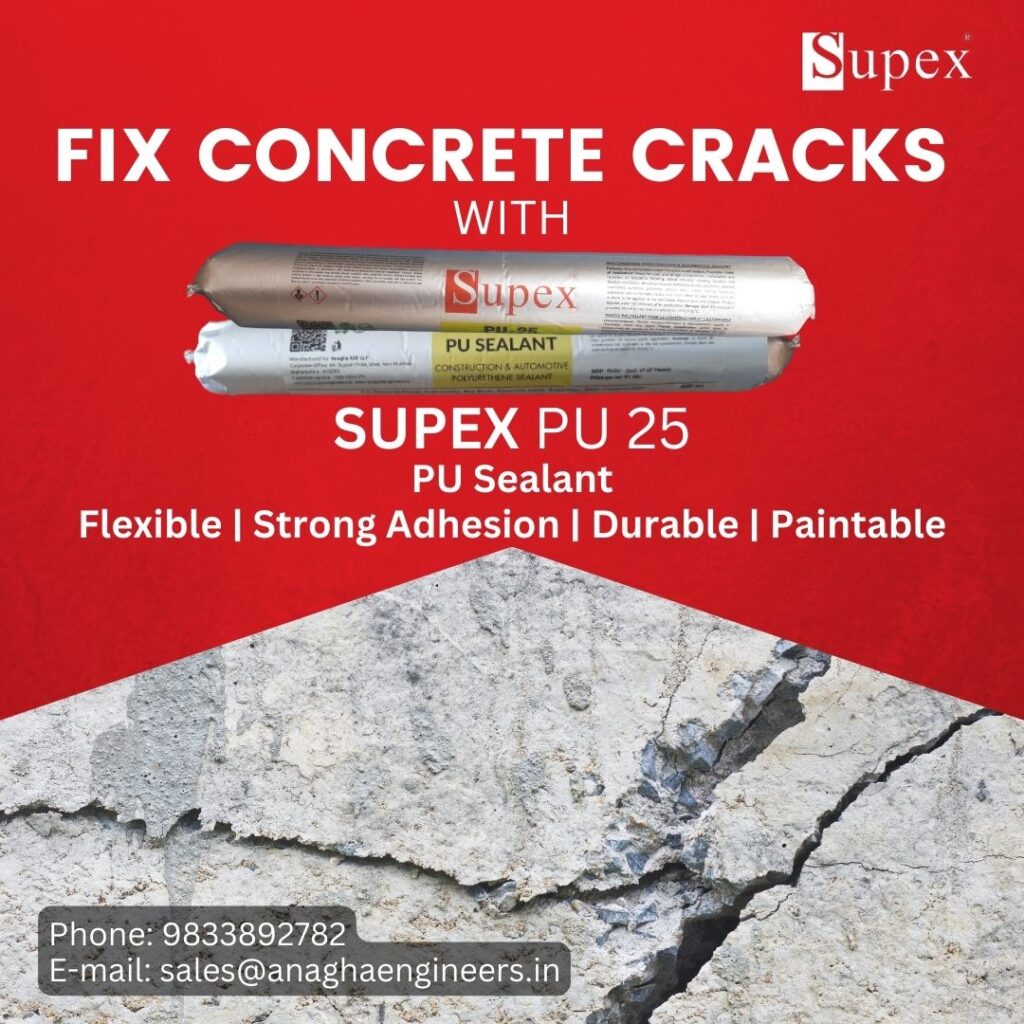
Characteristics of PU Sealants
PU sealants deliver high gap filling and strong bonding. Moreover, they remain flexible under stress. They also resist chemicals and harsh weather. In addition, users can paint over them for a clean finish.
Uses of PU Sealants
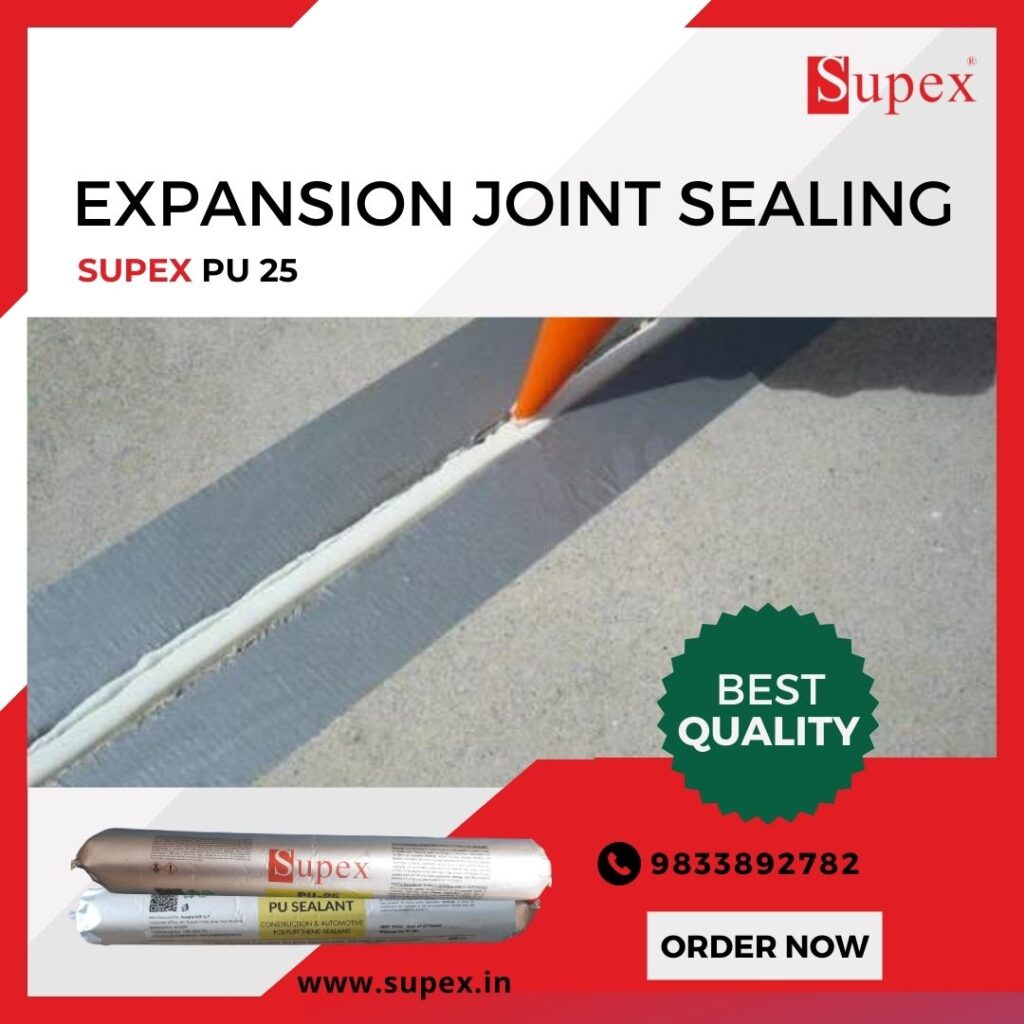
Construction: First, PU sealants handle expansion and internal joint sealing, including isolation joints.
Windscreen Bonding: Next, they serve as the top choice for glass-to-metal bonding in automobiles and railways.
Automotive Industry: Furthermore, they bond body panels in bus building. They also reduce vibration and noise while maintaining flexible, high-strength adhesion.
General Manufacturing: Finally, they support sheet metal and panel bonding in HVAC systems, elevators, and escalators, ensuring durable flexible joints.


Acrylic Sealants
What Is an Acrylic Sealant?
Acrylic sealant is a multipurpose, non-sag, paintable sealant. On exposure to air, it forms a durable elastomeric layer. Moreover, it is a green product with zero VOC. It cures as water evaporates, creating a strong plasto-elastic bond.
Benefits of Acrylic Sealants
First, it is odorless and chemically neutral. Next, users can paint or sand it after curing. Additionally, multiple layers can be applied. Finally, it works well for both interior and exterior use.
Uses of Acrylic Sealants
SUPEX 500 acrylic sealant bonds strongly to many surfaces. Therefore, it creates permanent elastic seals with high adhesion. It is water-based, flexible, and more affordable than GP silicone.
Common Applications:
UPVC and PVC joint gaps
HVAC duct sealing
Wall and ceiling crack filling
Skirting boards
Concrete expansion joints
Concrete and granite joints
Wood, metal, tiles, machinery surfaces, POP, and coated panels
Hybrid MS Polymer sealant
What Is an MS Polymer Adhesive and Sealant?
MS polymer sealants deliver high strength and elasticity. They bond well to non-porous and even damp surfaces. Moreover, they accept most paints. As hybrid sealants, they combine polyurethane strength with silicone weather resistance. In addition, they are solvent-free and isocyanate-free. This makes them safer and easy to customize for viscosity and fast strength build-up.
They offer high initial tack and instant bonding. However, they have low gap-filling ability. Therefore, users choose them mainly for bonding rather than sealing. Common uses include mirror, panel, and cladding bonding.
Benefits of MS Polymer Sealants
First, high initial tack reduces the need for support. Next, they apply and finish easily. They also stay elastic after curing. Moreover, they have no odor and contain no solvents, silicones, or isocyanates. Additionally, they accept water-based paints. Finally, they provide excellent color stability plus strong weather and UV resistance. They even bond on wet surfaces and underwater.
Joint Sealant Terminology – Concrete Sealers
ASTM C920 is the global standard for elastomeric joint sealants. It combines key test methods, including:
Movement capability: ASTM C719
Sealant hardness: ASTM C661
Tack-free time: ASTM C679
Peel adhesion: ASTM C794
Together, these tests define sealant performance.
Movement Capability – ASTM C719
This test measures how much cyclic movement a sealant handles under simulated weathering. Based on results, sealants fall into movement classes:
±12.5% → Class 12.5
±25% → Class 25
±35% → Class 35
±50% → Class 50
+100% / -50% → Class 100/50
Higher class ratings mean greater joint movement capacity.
Sealant Hardness – ASTM C661
This test checks resistance to penetration using a durometer probe. Ratings range from 0 to 100.
Lower values mean softer sealants with higher movement capacity.
Higher values mean harder sealants with lower movement capacity.
Stress Relaxation
This test checks how well a sealant absorbs extension without adding stress to the bond line. Quick and full recovery results in lower stress relaxation values.
Modulus
Low-modulus sealants create low stress at the bond line. Therefore, they suit high-movement joints.
Medium-modulus sealants handle most general applications.
High-modulus sealants suit glazing and static joints, not moving joints.
What Is a Sealant Used For?
Joint sealants block fluids, air, dust, sound, and insects from passing through joints and openings. Moreover, they can act as firestopping barriers in construction.
Adhesive vs. Sealant: Key Difference
Sealants fill and close gaps to create air- and water-tight joints. Adhesives, however, bond materials together. In short, adhesives bond first and seal second.
How to Prevent Sealant Failure
Sealants cause many building issues despite their low cost share. However, failures occur when bonding to the substrate breaks or the sealant tears.
Usually, two mistakes lead to failure. First, poor surface preparation. Second, choosing the wrong product. Therefore, always prepare substrates properly and select the right sealant for the application.